 Credit: Andrey Popov/Adobe Stock
In the moments after a car accident, drivers know what to do: call the police, take pictures, and exchange insurance information. Insurance companies, parents, and driver education courses have drilled in the importance of the first minutes after an accident in getting drivers back on the road quickly.
Photos protect you; evidence helps you, and the faster you act, the faster you can recover.
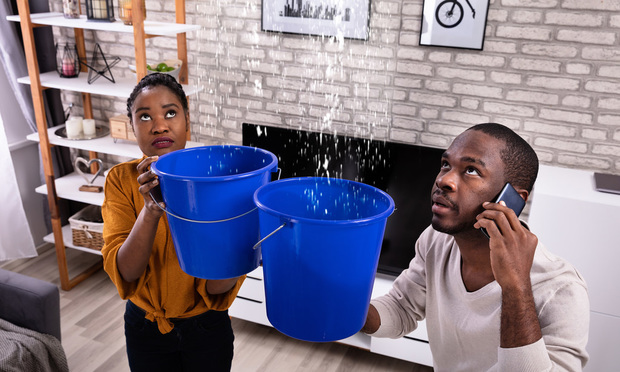
But when a tree crashes through a roof or a pipe bursts, most homeowners freeze. Many homeowners don't think about the claims process – and according to DocuSketch research, nearlynulla quarter don't understand what their policy covers–until they're in the middle of it, and by then, the uncertainty adds to an already stressful situation.
The industry must take steps to encourage homeowners to bring the same urgency to property damage as they bring to car accidents. This starts with education before the claim, continues with clear communication throughout the process, and relies on technology that creates transparency for everyone involved.
Strengthening insurer-policyholder trust
Teaching the "car crash mentality" isn't just about teaching homeowners to document damage; it's an opportunity for insurers to build trust with policyholders by closing gaps in transparency and education. DocuSketchnullresearch found that 54% of consumers think insurers aren't transparent about how claims are calculated, and 45% don't fully trust brokers to act in their best interest.
Gaps in policy understanding contribute to this lack of trust, as 26% don't know what to ask when buying or shopping for a policy.
The gap in trust and understanding interferes with policyholders navigating the claims process with confidence; not because carriers aren't willing to help, but because homeowners haven't received the education they need. Insurers and brokers often are pressured to move quickly, but slowing down to educate and communicate how decisions are made throughout the claims process leads to smoother claims and stronger relationships.
Process literacy starts before the claim
Teaching homeowners to act with urgency starts before the claims process is initiated. Carriers have opportunities at routine touchpoints (policy purchase, renewal, and agent check-ins) to educate homeowners long before disaster strikes.
Providing checklists and clear guidelines for what to do after a loss, including documentation strategies and clarity on who to contact, helps homeowners develop the same instinctive responses they have after a car accident.
But education alone isn't enough. Once a claim is underway, clear, consistent communication helps carriers build trust and homeowners build confidence through transparency. A carrier who provides a message such as "we received your photos and here's what will happen by next Wednesday," does more than reassure the policy; they reinforce process literacy at every step. By investing the time in education and communication, carriers can help homeowners feel prepared and confident throughout the claims journey.
Technology gives every party the full picture
When a home takes on water or a storm tears the roof open, the first question a homeowner asks is how long it will take to get back to normal. Recovery after major weather events often lasts a year or more, and hurricane rebuilds can stretch pastnullfourteen months. Those timelines grow when the first hours after the loss produce gaps in the record. But unlike in a car accident, documentation often isn't a homeowner's first thought.
When documentation is incomplete, each party in a claim sees a different version of the loss. A homeowner's rushed photos, an adjuster's delayed notes, and restoration teams arriving after cleanup mean everyone compares different stories about the same event. Technologies like 360-degree documentation are the missing piece that enables greater transparency in the process and makes process literacy possible, giving every party in the claims triangle access to the complete picture. When everyone works from the same evidence, policyholders can see the process working for them in action, increasing trust and confidence.
A shared view of damage assessments can also lower the emotional temperature of a claim. A homeowner who can see what the insurer sees is less likely to assume the carrier is minimizing the loss. This is the heart of the "car crash mentality." Drivers trust the auto-claims process because they know what to do and they know what the insurer needs. Property claims aren't met with the same confidence/clarity, but technology can help to replicate it by giving everyone the same "full picture."
Recovery moves faster when people understand the process
Ask any homeowner who's been through a property claim what stands out, and it's rarely the damage itself. What they remember is the waiting—uncertainty about what's happening, what comes next, and whether the system is working for them. That uncertainty becomes its own burden, compounding the stress of the loss.

Carriers can change this by weaving trust and transparency into every stage of the claims journey. When policyholders can see how decisions are made, know what to expect, and have access to the same information as their insurer, they feel less like bystanders and more like partners in their own recovery.
By prioritizing clear communication, ongoing education, and technology that gives everyone the same view, carriers empower homeowners to actively participate in getting back home. In the end, process fluency isn't just about understanding the steps—it's about restoring trust and helping families move forward.
Holly Baldwin is the Senior Customer Success Manager at DocuSketch, where she has been part of the team for nearly three years. She brings nine years of experience in the restoration industry and currently manages the largest franchise system within DocuSketch.
Opinions shared in this piece are the author's own.
© Arc, All Rights Reserved. Request academic re-use from www.copyright.com. All other uses, submit a request to TMSalesOperations@arc-network.com. For more information visit Asset & Logo Licensing.