As pressure mounts on the National Flood Insurance Program (NFIP), the U.S. flood insurance market could be headed toward one of its biggest transformations in decades.
Recently published recommendations from The President's Council to Assess the Federal Emergency Management Agency are fueling renewed discussion about shifting more flood coverage into private-sector hands, a move many insurers argue is necessary as flood risks intensify nationwide.
For years, the NFIP has served as the backbone of flood protection in the United States. But the program continues to face mounting financial strain, carrying more than $20 billion in debt while relying on repeated short-term congressional extensions to remain operational. Industry leaders increasingly contend that the government-run framework has struggled to keep pace with rapidly evolving weather patterns, population growth in vulnerable regions and advances in risk modeling.
According to the review panel's report, the latest reform proposals call for a broad restructuring of the nation's flood insurance system, centered on a larger role for private insurers and stronger risk-management practices. Recommendations include strengthening local land-use policies, modernizing flood maps and continuing implementation of FEMA's Risk Rating 2.0 initiative to better reflect actual exposure levels. Supporters say those steps could help close the gap between how flood risk is priced and how homeowners perceive their vulnerability.
Private insurers see significant opportunity in that transition. Companies specializing in flood coverage are increasingly using satellite imagery, predictive analytics and advanced catastrophe models to evaluate risks with far greater precision than traditional flood-zone maps. Many carriers say that modern technology allows them to price policies more accurately and offer coverage tailored to individual properties rather than broad geographic regions.
The proposed reforms also advocate for fully risk-based pricing and revised compensation structures within FEMA's "Write Your Own" program, which allows private insurers to sell and service NFIP policies. Policymakers additionally are exploring "take-out" programs designed to transfer more federal policies into the private market, while encouraging state insurance commissioners to support the expansion of admitted flood insurers. One proposal under discussion includes the creation of a centralized marketplace that would function as a clearinghouse for private flood coverage.
Still, affordability remains a central concern throughout the market. Millions of Americans living in flood-prone areas remain uninsured, and many homeowners continue to mistakenly believe flood damage is covered under standard homeowners policies. At the same time, a substantial share of flood losses occur outside federally designated high-risk zones, leaving many property owners financially exposed when disasters strike.
While supporters of a larger private-market role believe competition could modernize the flood insurance system and expand coverage availability, others say that reducing federal involvement may create new protection gaps for lower-income households and vulnerable communities.
Maura Keller is a Minnesota-based freelance writer and editor.
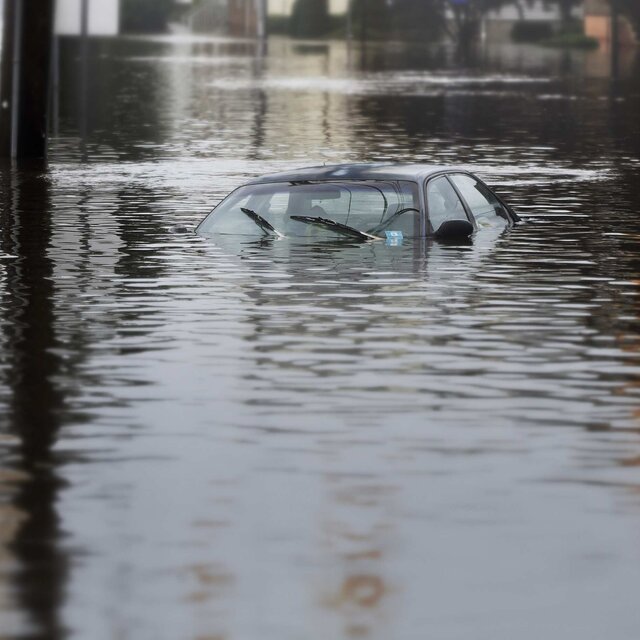
(Featured image credit: Sabina Zak/Shutterstock.com)
© Arc, All Rights Reserved. Request academic re-use from www.copyright.com. All other uses, submit a request to TMSalesOperations@arc-network.com. For more information visit Asset & Logo Licensing.