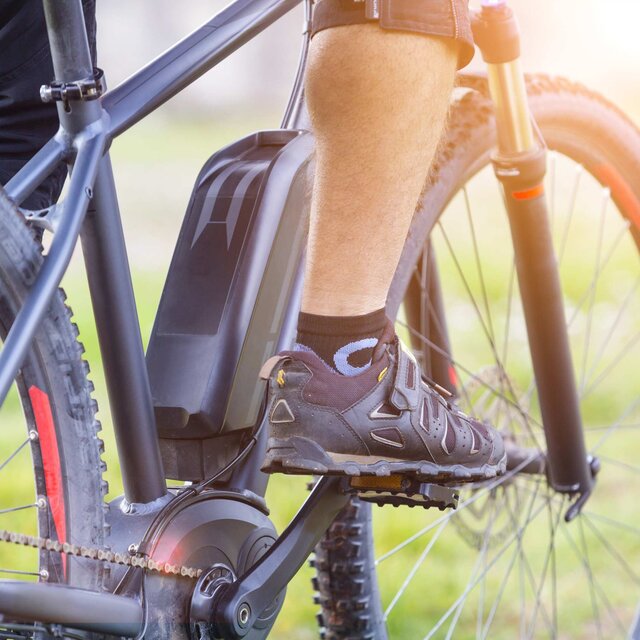
E-bike injuries have soared more than 300 percent since 2019, according to the American College of Surgeons.
As these crashes and injuries climb nationwide, a California case involving a teenage rider and a severely injured pedestrian is highlighting the legal and financial risks individuals and families may face.
Prosecutors say a 14-year-old riding a high-powered electric motorbike struck an 81-year-old man near an Orange County high school, leading to felony charges against the boy's mother, according to the Los Angeles Times. Prosecutors claim the teen had been doing "wheelies" in the middle of the road when the collision occurred and that the mother had previously been warned about the dangers and legal implications of allowing her son to operate the vehicle.
The case comes as communities across the United States contend with a sharp increase in e-bike crashes, injuries and fatalities. According to research published in JAMA Surgery, e-bike injuries nationwide rose from approximately 1,600 in 2018 to 23,000 in 2022, while cities and lawmakers are increasingly debating registration requirements, speed limits and other regulations aimed at addressing safety concerns, The Guardian has reported.
"It is just chaos," says Burns & Wilcox Senior Personal Insurance Underwriter Jordan Theodoulou. "A lot of times [e-bike riders] are in groups... They are often on the wrong side of the road, not following traffic laws or any basic rules for crossing the street."
As e-bikes become more common on public roads and in neighborhoods, insurance professionals say riders may not fully understand the potential liability exposures — and how they can change depending on how the vehicle is classified. Standard e-bikes that meet the definition of a bicycle may qualify for certain coverages under a Homeowners Insurance policy, while Personal Umbrella Insurance can provide additional liability protection above underlying limits.
However, modified or higher-powered vehicles may present more complicated coverage questions.
"The big differentiator is really understanding whether the e-bike meets the definition of a bicycle," says Pamela Alphabet, associate vice president and regional practice group leader for Personal Insurance at Burns & Wilcox in Scottsdale, Ariz. "If they have some modifications or they have a throttle, then they may be excluded."
E-bikes and the definition of 'bicycle'
U.S. e-bike sales climbed from about 50,000 in 2018 to more than 527,000 in 2022 as the devices became increasingly common for recreation and transportation, according to The Guardian. At the same time, lawmakers and insurers have faced growing questions surrounding higher-powered bikes that blur the line between bicycles and motorcycles.
In January, then-New Jersey Gov. Phil Murphy signed legislation into law expanding regulation of motorized bicycles to include all classes of electric bikes and establishing licensing, training and insurance requirements.
Whether an e-bike qualifies for coverage under a Homeowners Insurance policy often depends on how the vehicle is designed, Alphabet says.
"If it has pedals and a motor of under 750 watts, then typically they do meet that definition of a bicycle," she says, adding that a maximum speed, such as 20 miles per hour, could also apply. Under those conditions, "those bikes could be covered under somebody's Homeowners Insurance or Renters Insurance for liability."
Coverage for theft and physical damage may also be available, depending on the policy.
Many of the incidents attracting attention involve bikes that have been altered or are being operated illegally on public roads, Theodoulou points out. "Oftentimes they are illegally modified or the driver is not old enough to operate a motorcycle, but they are essentially driving a motorcycle," he says.
In either case, individuals could be held liable for third-party bodily injuries or property damage resulting from e-bike accidents. It is important for families to understand what their policies cover before an accident occurs, Theodoulou says. In some situations, specialty policies or endorsements may be available for higher-powered e-bikes, particularly as the market continues to evolve.
"I would definitely recommend they check with their insurance carrier about coverage and ask whether any endorsements could be added to their policy to cover the e-bike liability," he said. "That is a good place to start."
The risk of e-bike accident lawsuits
A study published in May in the journal Neurosurgery reviewed hospital data on injuries related to electric bikes and scooters over a 5-year period, including pedestrians struck by the devices. Researchers found these accidents accounted for 6.9 percent of all trauma admissions at the center studied and imposed a "substantial neurosurgical burden," including frequent traumatic brain injuries and ICU admissions.
Although e-bike drivers "are often the ones getting hurt by cars and trucks, as opposed to hurting others," Alphabet says, the potential liability associated with pedestrian injuries should also be considered.
"If you injure somebody and they are severely hurt, you are likely going to get sued. That is just what is going to happen," she says, noting that if liability coverage under Homeowners Insurance does apply, a serious accident could mean using up available limits quickly.
"You should always have a Personal Umbrella," she adds. "Talk to your retail agent about higher limits that can protect your assets."
The same advice applies for other potential sources of personal liability, including using jet skis or having a trampoline in your backyard that is used by neighbors or guests. "Anytime you are providing something like that or allowing children to use it, that is a huge risk you are taking — not only for the safety and well-being of your children, as a parent, but for others as well," Alphabet says.
Similarly, if the owner of an e-bike allows guests to use it, that is another potential risk. "If it is taking place on your property, then you are usually going to be the one held responsible," Theodoulou says.
Why higher liability limits matter
Whether an incident involves an e-bike, a swimming pool, or a dog bite, homeowners should understand the risk of being sued in today's more litigious environment. "It is a lot more common today to have litigation taken against you than it has been in the past," Theodoulou says.
Larger jury awards and rising settlements have made higher liability limits increasingly important for families, particularly those with significant assets, Alphabet says.
"Juries are awarding larger damages and claims in general are getting more expensive to settle," she says. "It is important to partner with an independent retail agent to share all your concerns and make sure the agent crafts a policy that covers those exposures. If you think that you are asking for too high a limit, you are probably not. You want to protect your assets."
This article first published on the Burns & Wilcox website and is republished here with permission.
(Lead image credit: moreimages/Shutterstock.com)
Read additional insurance and risk analyses from Burns & Wilcox:
© Arc, All Rights Reserved. Request academic re-use from www.copyright.com. All other uses, submit a request to TMSalesOperations@arc-network.com. For more information visit Asset & Logo Licensing.