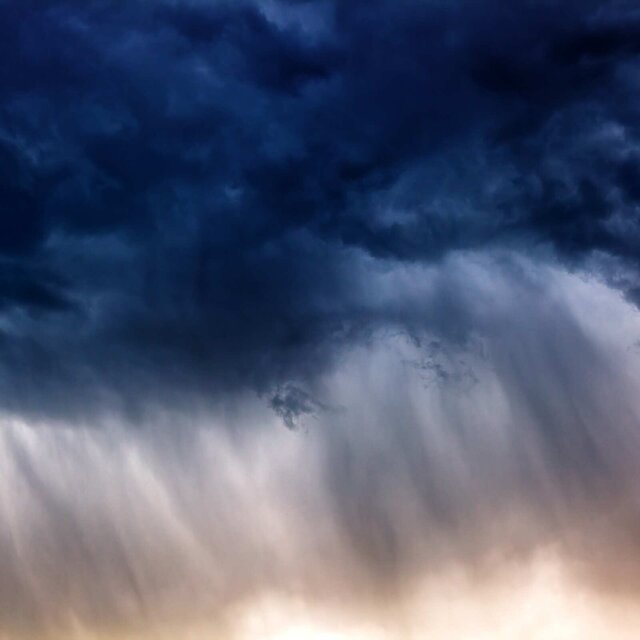
My sister moved to Oklahoma a few years ago, and every spring now, we spend at least a few nights texting or chatting on the phone while she shelters in her bathtub. We watch weather livestreams together and wait for that night's storm to pass, hoping whichever tornado is in the area won't head toward her house.
Unfortunately, severe weather, especially in the Midwest, seems to be getting worse, not better. Over the last three years, severe convective storms caused $208 billion in global insured losses.
SCS events were responsible for almost half, or about $60 billion, of all natural catastrophe losses last year, In the United States alone, SCS losses were 1.4 times over the 10-year average of $35.5 billion, and the country saw 39 major SCS events between January and September.
Tornadoes can do expensive damage, but hail actually accounts for about 50% to 80% of all SCS losses. Globally, the U.S. represents 47% of the value of all hailstorm claims.
This year is no better. According to the National Centers for Environmental Information, there have already been 202 reports of tornadoes this year, compared to 300 total last year. Storms in March and April are already projected to have caused losses in the billions, according to Aon.
And yet, severe convective storms are still classified as a "secondary peril" in the insurance industry. It makes sense from a historical perspective: SCS events, unlike a massive hurricane, used to be smaller, localized and manageable.
But many SCS events no longer fit that criteria. Changing weather patterns, likely driven by climate change, have expanded the boundaries of "Tornado Alley" in the United States and intensified storms throughout the country. The Midwest, Plains and the South have all seen rapid urbanization and population growth in recent years, putting more people and property in the path of severe storms. Some of that property, including solar farms and commercial warehouses, is extremely high value.
Storms that used to be one-in-100-years events are now happening much more often. In 2024, there were 12 billion-dollar thunderstorm events in the United States.
The insurance industry has to adapt. Many insurers have shifted from flat-rate to percentage-based deductibles in areas at high risk for wind and hail damage. Many are encouraging or requiring hail-resistant siding or upgraded roofs. Others have pulled out of high-risk regions altogether.
But raising deductibles, reducing coverage and mandating mitigation steps puts more of a burden on policyholders, and many are choosing to opt out. In the most climate-vulnerable states, one in six homeowners (about 17%) are going without home insurance. Homeowners insurance in Oklahoma is among the most expensive in the nation, with average annual premiums ranging from approximately $4,600 to over $7,200.
As storms continue to intensify to primary peril levels, the industry will have to find the right balance between protecting policyholders and their bottom line.
Opinions are the author's own.
Credit: Sabphoto/Adobe Stock
© Arc, All Rights Reserved. Request academic re-use from www.copyright.com. All other uses, submit a request to TMSalesOperations@arc-network.com. For more information visit Asset & Logo Licensing.