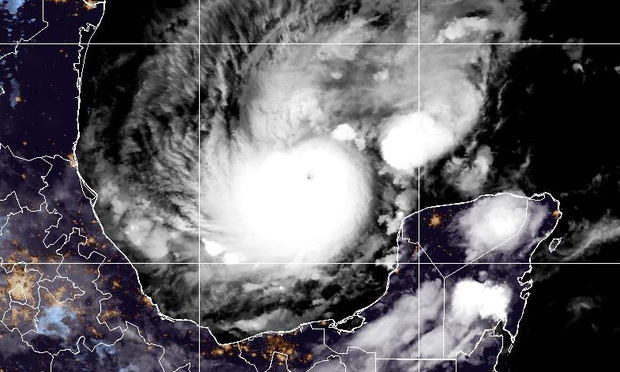
 Hurricane Milton as of October 7, 2024. Credit: NOAA
The United States could see another relatively quiet Atlantic hurricane season this year, according to a new report from AccuWeather.
Forecasters are predicting four to seven hurricanes this year, near or slightly below the 30-year historical average of seven. But the United States is still forecast to see around three to five direct impacts, close to the historical annual average of four.
"It's very important that everybody from South Texas all the way to Maine prepares equally for each and every hurricane season, regardless of the forecast," said Alex DaSilva, AccuWeather lead hurricane expert, in a statement. "Even if it's expected to be a slightly below average hurricane season, we can still see major hits across the United States."
The central and eastern Gulf Coast as well as the Carolinas and parts of the Virginia coastline could see above-average activity this year, while central and southern Texas could see fewer tropical impacts.
An El Niño climate pattern is expected to develop sometime this summer, which could increase winds but reduce storm activity. AccuWeather forecasters say there is a 15% chance of a Super El Niño developing in the second half of the hurricane season, which would further reduce activity.
El Niño years typically produce about 10 named storms and five hurricanes, compared to 15 storms and eight hurricanes during La Niña years. Neutral seasons typically see about 13 named storms and seven hurricanes.
While there might be fewer storms this year, warmer waters in the Atlantic could make them stronger and increase the risk of rapid intensification. Hurricane season doesn't officially begin until June 1, but tropical development could start earlier this year due to the exceptionally warm waters.
There might also be more "homegrown development" of storms this year, which could increase danger. Storms that form close to the United States, as opposed to those that travel across the Atlantic from Africa, give people less time to prepare and evacuate.
Forecasters pointed out that while the 1992 season had just seven named storms, it included Hurricane Andrew, one of the most destructive U.S. hurricanes on record.
"There is no reason to let your guard down this year," DaSilva said in a statement. "It only takes one storm to cause major damage, disruption and heartache. Review your insurance coverage, safety plans, and local evacuation routes now. Make sure your emergency supplies are stocked up."
Photo credit: NOAA
© Arc, All Rights Reserved. Request academic re-use from www.copyright.com. All other uses, submit a request to TMSalesOperations@arc-network.com. For more information visit Asset & Logo Licensing.