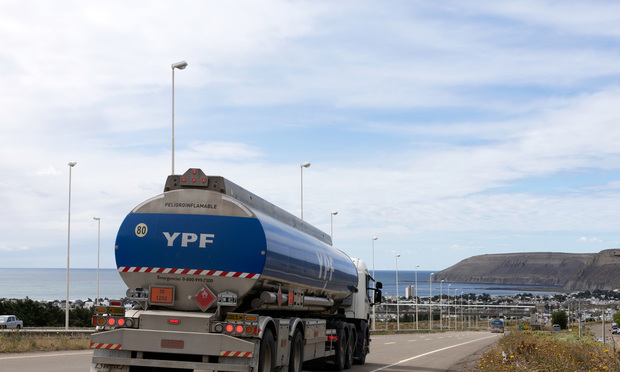
 The impact of cargo theft is multifaceted, affecting not only the immediate victims but also the broader economy. (Credit: Nataly Regina/Adobe Stock)
Headlines around the elaborate heist of tequila owned by Food Network star Guy Fieri and musician Sammy Hagar highlight an ever-evolving threat to the transportation sector: cargo theft. At the same time, double brokering is becoming a growing concern for shippers, trucking carriers and brokers alike.
These rising threats add to a freight landscape that’s already challenged by fuel prices, a critical shortage of drivers, and regulatory and compliance hurdles.
With the transportation sector essential to the worldwide supply chain, facilitating the effective transfer of products from producers to end users is critical. Insurers, agents and brokers can work with their freight industry policyholders to help assess their evolving risk exposures and take steps to mitigate them.
Cargo theft
Despite herculean efforts among local, state and federal law enforcement, cargo theft remains a persistent issue. The impact of cargo theft is multifaceted, affecting not only the immediate victims but also the broader economy.
Illustrating this problem is the November 2024 event where two truckloads of Fieri and Hagar’s branded Santo Tequila went missing. The value of the lost cargo exceeded $1 million.
Fieri and Hagar are not the only celebrities to make headlines for falling victim to cargo theft. It was recently reported that Shaquille O’Neal’s $180K Range Rover was stolen when FirstLine Trucking LLC reported that it had not dispatched the driver who claimed the assignment. The vehicle was arranged to be transported to Louisiana through a third party, but a sophisticated cyber-attack targeted the transport company, and the vehicle was never delivered.
Of course, celebrities are not the only victims of cargo theft. As supply chains become more digital, cargo theft tactics are evolving. Strategic theft methods, such as identity fraud, online scams and bogus pickups, are becoming more common, especially as high-value goods are increasingly targeted. Businesses must implement multiple security measures to reduce potential losses.
In 2024, the average value of stolen cargo was $202,364, up from $187,895 in 2023, according to Overhaul. In the first few months of 2025, the average value of a stolen shipment was already $203,586.
A recent article from CargoNet showcases that these are not opportunistic crimes, but rather calculated operations to find goods with the highest black-market value and easiest resale potential. CargoNet recorded 884 supply chain thefts between April and June, marking a 10% increase over the first quarter of 2025. The estimated total loss exceeds $128M when factoring in average shipment values for cases where specific losses were not reported.
Double brokering
Double brokering is also a growing threat to the transportation sector. Different from cargo theft in the traditional sense, double brokering is a form of fraud or deception that challenges the integrity of the transportation process and introduces considerable hazards that can disrupt operations for shippers and trucking carriers. According to Truckstop, the number of double brokering complaints has increased by 400% since 2022.
Double brokering occurs when a freight broker, who has a contract with a shipper, passes the shipment to another broker or carrier without informing the original shipper. The secondary broker may portray themselves to the carrier as responsible for overseeing the shipment of goods, while in fact, the contract was established with a separate brokerage firm.This practice is illegal and violates Federal Motor Carrier Safety Administration (FMCSA) regulations.
Trucking carriers may resort to double brokering for various reasons, including overbooking or lacking the capacity to manage the transportation themselves.
Many brokers now have a probationary period where they require new partners to be active for a certain number of months before they will broker a load to them. This probationary period has also resulted in double brokering.
For example, Amazon now requires a trucking carrier to be active for at least six months with inspections before they will broker a load out to them. Some trucking carriers who are approved and have completed the probation period with Amazon are now double brokering their booked loads to other trucking carriers who have not completed the probationary period. This allows the newer trucking carriers to have some business during their probationary phase. We have seen this concept used by other brokers across the nation as well.
Double brokering creates a big gap in trust between the load broker and trucking carrier. If a claim were to arise with the shipment, the insurance in question becomes a difficult task for all parties, including the insurance adjuster.
This not only creates payment disputes but can also expose trucking carriers and brokers to serious legal and insurance risks.
Best practices
Given the mercurial freight market, trucking carriers must carefully assess each load. In addition to using the FMCSA Carrier 411 website, agents, brokers and insurers should work with their trucking company policyholders to help them adopt proactive strategies to avoid double brokering and cargo theft.
- Ensure documentation is complete: Business owners should always obtain a signed rate confirmation before transporting any load. This document should clearly outline the broker’s name, motor carrier (MC) number, agreed-upon rate, pick-up and delivery information, as well as any additional fees. If there is a discrepancy regarding the broker's identity in the paperwork, seek clarification before proceeding.
- Utilize reliable load boards: Reputable load boards — online marketplaces that connect shippers, freight brokers and trucking companies — typically provide credit ratings and historical performance data for brokers. Policyholders should steer clear of unfamiliar brokers who lack a proven track record, especially if their offered rates appear unusually high for the route.
- Be aware of warning signs: Red flags to watch for when working with a broker include:
- The broker pressures the shipper into a quick pick up without adequate documentation.
- The broker is unwilling to share their MC number or references.
- The load information is incomplete or changes suddenly with respect to details about the shipper and/or receiver.
- Foster direct relationships: Cultivating direct connections with shippers and reputable brokers minimizes reliance on unknown intermediaries. Establishing long-term partnerships can significantly lower the likelihood of encountering double brokering or other fraudulent situations.
- Partner with experts: With the growing complexities around cargo theft and double brokering, freight business owners should understand the value of working with specialists they can trust across the insurance, IT, legal spaces and more. An insurance specialist who knows the freight sectorcan not only help craft a comprehensive policy that best positions the business should a loss occur but also help assess the company’s unique risk exposures and recommend tailored risk mitigation strategies.
- Implement a two-step load confirmation: Before releasing cargo, require confirmation through independent contacts, such as dispatcher and driver, or an emergency contact for a trucker with a solo trucker operation.
- Use secure digital communication: Brokers can create their own client portal that scans licenses and requires a photo of the driver prior to picking up a high-value load, followed by contact verification.
- Obtain good coverage: Agents, brokers and insurers should also work with their policyholders to help them understand the importance of factoring in recovery costs and operational disruptions when it comes to both cargo theft and double brokering.
Policies can be tailored to cover the costs associated with restoring operations to any pre-disruption state, including downtime, lost revenue and any necessary repairs or replacements. A freight company’s policy should cover the impact of operational disruptions, such as loss of revenue, customer satisfaction and — importantly — any potential legal or regulatory issues. By addressing these factors, insurance providers can offer coverage that better aligns with the evolving risks faced by shippers and trucking carriers, ensuring no coverage gaps exist.
Tequila and Range Rover heists connected to well-known celebrities certainly make for good headlines. Work with your freight clients to communicate the severity of this problem, identify and implement the right security protocols and help ensure they don’t become victims of this evolving threat or, if they do, that they have the protection they need.
Harish Kapur is CEO of Across America Insurance Services, Inc., a provider of insurance solutions to the commercial trucking and transportation industry.
© Arc, All Rights Reserved. Request academic re-use from www.copyright.com. All other uses, submit a request to TMSalesOperations@arc-network.com. For more information visit Asset & Logo Licensing.