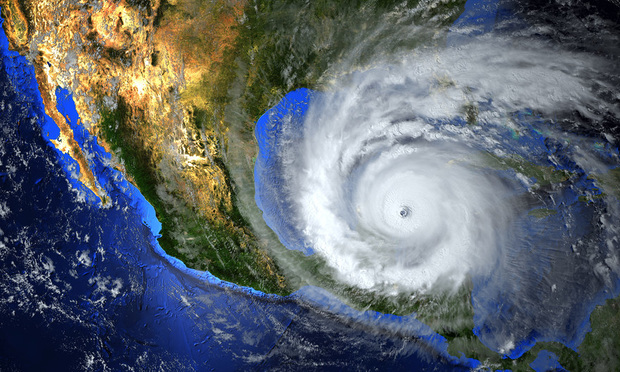
 Evacuation expenses and tourism losses are adding to the cost of the storm. (Credit: Mike Mareen/Adobe Stock)
Hurricane Melissa caused an estimated $48 billion to $52 billion in damage when it hit parts of the Caribbean in late October, according to a new report from AccuWeather.
The estimate includes insured losses as well as tourism losses, disruptions to commerce, damage to infrastructure, medical costs, evacuation expenses, crop losses and government expenses for clean-up operations.
Melissa is the costliest storm to hit the Atlantic basin so far this year.
“The devastation is heartbreaking,” said Jonathan Porter, AccuWeather’s chief meteorologist, in a statement. “Hours of extreme winds and powerful storm surge, combined with days of torrential rainfall, destroyed thousands of homes and businesses. Lives have been turned upside down by this storm. Many farmers and fishers across the islands were still recovering from the damage caused by Hurricane Beryl last year, when Melissa hit. Many businesses may be shut down for weeks, months or even years. Some may never be able to recover.”
A Category 5 hurricane with maximum sustained winds of 185 mph, Melissa was the most powerful hurricane to make landfall in Jamaica’s recorded history. It’s tied for strongest landfalling hurricane in the Atlantic basin with 2019’s Hurricane Dorian and the Labor Day Hurricane of 1935. It was the third-most intense Caribbean hurricane ever on record, with a minimum central pressure recorded at 892 millibars.
On the plus side, it’s likely the hurricane was strong enough to trigger Jamaica’s $150 million parametric catastrophe bond. The bond, arranged by the World Bank and structured by Aon, provides funds following natural disasters to help the island rebuild.
In order to trigger full payment, the central pressure of the storm must have been at or below 900 millibars as it made landfall and crossed the island. National Hurricane Center data, which shows Melissa’s pressure stayed below 900 millibars in several areas, is being verified by an independent calculation agent.
“While the final numbers are still being verified, the early signs suggest the transaction is doing what it was designed to do: getting critical funds to the country quickly after a major disaster,” Chris Lefferdink, Aon’s head of insurance-linked securities for North America, said in a statement.
© Arc, All Rights Reserved. Request academic re-use from www.copyright.com. All other uses, submit a request to TMSalesOperations@arc-network.com. For more information visit Asset & Logo Licensing.