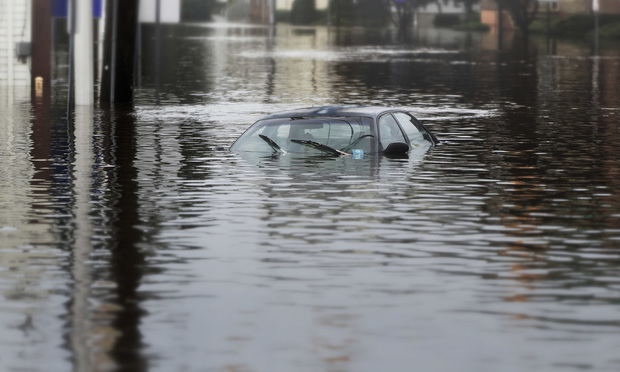
 The number of hours per year that saw 1 inch or more of rain have tripled since 1985. (Credit: Sabina Zak/Shutterstock)
Flooding events in the United States are increasing even as annual rainfall stays the same, according to a new analysis from AccuWeather.
Looking at data across the last 60 years, AccuWeather found that heavy downpours are on the rise. Days with 1 inch or more of rain were up 9% since 1965. Days with 4 inches or more of rain have increased about 70% since 1965. The number of hours per year that saw 1 inch or more of rain have tripled since 1985.
While regions are still receiving the same annual rainfall total, or even seeing a slight decline in some cases, more of that rain is arriving in downpours or cloud bursts, raising the risk of flash flooding. Heavier rainfall episodes can overwhelm existing infrastructure, disrupt crop yields and create costly disasters.
The shift is due largely to climate change, AccuWeather says.
“As described by the Clausius-Clapeyron equation, for every 1 degree Fahrenheit of warming, the atmosphere can hold about 4 percent more water vapor, increasing the potential for extreme rainfall events,” said Brett Anderson, AccuWeather climate expert and senior meteorologist, in a statement.
The warmer, intensifying water cycle means increased precipitation variability. So while some areas might see large downpours and flooding, others might see longer, drier periods.
Industries including agriculture, logistics, infrastructure and insurance face the most exposure from the risks of heavier precipitation, the report found.
© Arc, All Rights Reserved. Request academic re-use from www.copyright.com. All other uses, submit a request to TMSalesOperations@arc-network.com. For more information visit Asset & Logo Licensing.