 Homeowners should consider installing soaker hoses around their foundation during dry periods to help keep soil moisture consistent. (Credit: scharfsinn86/Adobe Stock)
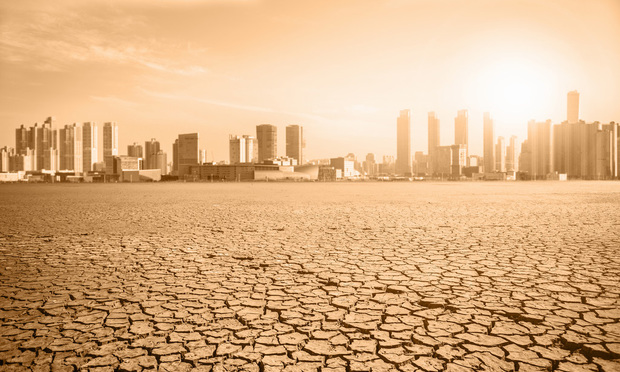
When we think about drought, we often picture struggling crops, empty reservoirs, brown lawns and water conservation orders, but the real cost of drought can hit insureds much closer to home. As soil dries out and shifts during extreme dry periods, it can wreak havoc on a home’s foundation and cause damage that is unlikely to be covered under normal homeowners insurance policies.
As climate change intensifies, droughts are no longer rare occurrences but are a regular part of life for parts of the country. The soil under homes expands when it is wet and contracts when it dries. This push and pull can drag soil away from a home’s foundation, creating gaps and causing uneven settling. When a house settles unevenly, it can lead to a plethora of structural issues for the residence, including cracks in the walls, sticking doors and warped floors.
Damage from a drought isn’t always immediately obvious, either, so even the most prudent homeowners may not notice these foundation issues until they have become costly and disastrous.
Homeowners may assume that damage to their foundation caused by drought would fall under the protections for natural disasters in their insurance policy. However, most standard homeowners policies exclude damage from earth movement, even if caused by a drought.
Customers must also remember that insurance is designed to make them whole again after specific, named risks. It is not meant to serve as a home maintenance plan, and slow-moving issues tied to the climate likely do not qualify as an inciting event to trigger coverage.
Many areas of the U.S. are dealing with drought conditions now, which makes it the perfect time for insurance agents to remind their customers of this hidden danger. Here are a few tips for agents to pass along:
- Focus on consistent moisture. Homeowners should consider installing soaker hoses around their foundation during dry periods to help keep soil moisture consistent. Additional water around a foundation can also be an issue, though, so homeowners will need to be careful with timing and spacing of the hoses.
- Keep landscaping under control. Trees and other large shrubs around the perimeter of a home can draw moisture from the soil as well, which can contribute to shrinkage. Green-thumbed homeowners should consider using root barriers or relocating their thirstiest plants farther from the home’s foundation.
- Inspect it regularly. Homeowners should constantly keep their eyes peeled for any damage or changes to their home, like cracks forming in walls or sloping floors. The sooner they catch any suspected foundation movement the easier (and cheaper) it will be to fix.
- Document everything. Homeowners should keep thorough records of the steps they take to protect their foundation in case this information is ever necessary to prove proper maintenance in a future claim.
Opinions are the author's own.
© Arc, All Rights Reserved. Request academic re-use from www.copyright.com. All other uses, submit a request to TMSalesOperations@arc-network.com. For more information visit Asset & Logo Licensing.