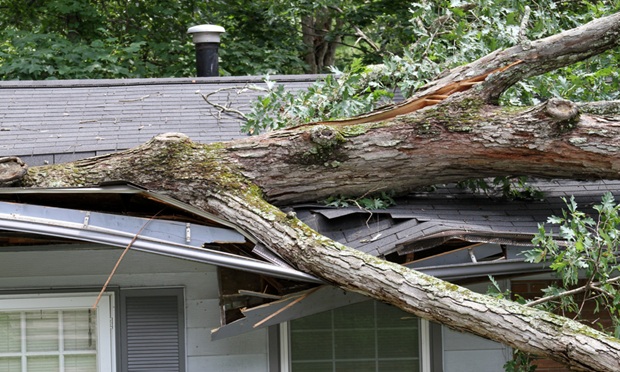
 Modern shingles may look familiar from the street, but their construction is very different from the old ones, and the upgrades matter, especially in a storm. (WideAwake/Adobe Stock)
The condition of a roof before a storm is a key factor in how well it withstands severe weather and how insurance claims are evaluated.
While hurricanes and other extreme events cause sudden damage, a roof's durability reflects years of exposure to sun, rain and temperature changes. Identifying the roof's condition prior to a storm helps homeowners and insurers better understand the storm's true impact and supports fairer claims outcomes.
Modern inspections go beyond visual checks with ladders; technology such as satellite and drone imaging provides detailed evidence of roof conditions. Signs like granule loss or sealant wear are natural aging processes, not indicators of immediate failure. Recognizing these details enables more accurate assessments, ensuring insurance claims focus on storm-related damage and homeowners receive appropriate coverage.
Roofing materials and ratings
Modern shingles may look familiar from the street, but their construction is very different from the old ones, and the upgrades matter, especially in a storm. Many architectural lines now reinforce the nailing zone with a woven or fabric strip. Nails bite into that layer and lock each course to the deck, which increases pull-through strength and raises wind warranties to speeds that approach Category 4 storms.
Impact rating is the other pillar. Under the UL 2218 Class 4 test, a two-inch steel ball drops from twenty feet onto the shingle; to pass, the shingle cannot crack, giving Class 4 products characteristics that help them better withstand common threats such as hail and wind-blown debris. When the surface doesn’t fracture, water stays out, and adjusters see fewer deck replacements and interior water claims.
Codes and underwriting increasingly reward these ratings. In several states, premium-credit charts grant the highest discounts only to Class 4-rated roofs. Carriers may also upload wind-warranty and impact data into catastrophe models to help set deductibles and coverage terms before issuing the policy. This results in a higher-rated system that withstands harsher weather and often qualifies for better insurance coverage.
How to help policyholders avoid claim denials
A preseason roof inspection typically costs little and can save time later. A licensed contractor can document the condition of each slope, ridge, and flashing point with dated photos. That report can serve as a baseline that helps to show that any later harm likely came from acts of nature rather than neglect.
Consistent maintenance supports the same case. The digital document containing the inspection report should also include the invoices for minor repairs. Underwriters may confirm the existing state and apply any applicable resilience credits when owners share that folder at renewal. If a storm hits, adjusters can review the same file, which often speeds evaluation and reduces back-and-forth.
Targeted upgrades can add meaningful protection. A self-adhering underlayment over roof-deck joints can act as a secondary water barrier if wind lifts a shingle. Impact-rated ridge caps may help protect the roof’s highest point, a common entry path for water. In several coastal states, grants or rebates may offset part of these costs, and some insurers pair such measures with lower named-storm deductibles or other incentives.
Prevention that protects the payout
A roof often decides the size of a hurricane claim, yet many disagreements stem from problems that appear months — sometimes years — before landfall. High-resolution imagery, clear material standards, and simple record-keeping turn those hidden weaknesses into visible facts.
When carriers encourage regular inspections and support smart material choices, they protect both their balance sheets and the homes they insure. A roof built and maintained with these principles stands as the first and best defense when the next storm hits.
Chris Freeborg is vice president and chief marketing and product development officer at TAMKO. The views and opinions expressed here are based on the author’s long tenure and personal experiences as a roofing contractor prior to coming to TAMKO. As such, his views are intended for general informational purposes only and should not be considered professional advice regarding insurance, financing, legal matters, or business transactions. Readers are encouraged to consult with qualified professionals before making any decisions related to their business operations.
© Arc, All Rights Reserved. Request academic re-use from www.copyright.com. All other uses, submit a request to TMSalesOperations@arc-network.com. For more information visit Asset & Logo Licensing.