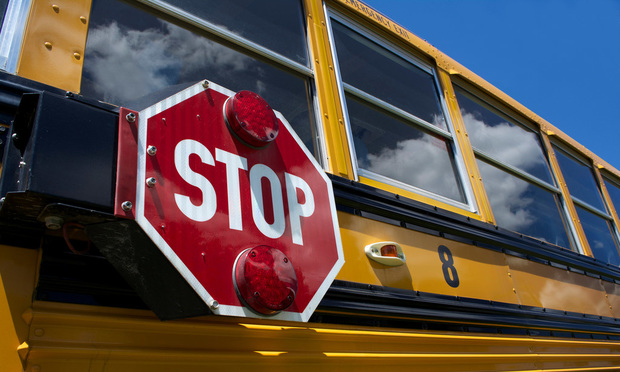
 The start of a new school year doesn’t have to come with a spike in tragedy. (Credit: AdobeStock)
When back-to-school time rolls around each year, I can’t help but think about the pride my mother took in being a school bus driver. She spent years navigating narrow Kentucky back roads in every kind of weather — somehow keeping control of both that big yellow tank and a few dozen children. There was no bus monitor to help her out. It was just Ms. Barbara and her wild group of kids against the world on the way to school and back each day.
I have kids of my own now, and it has become even more apparent to me how often we take safe passage for our children to school for granted. Whether a student walks, bikes, drives or rides the bus to school, there are a host of preventable risks that we can’t afford to ignore.
According to data from the National Highway Traffic Safety Administration (NHTSA), there were 1,110 school transportation-related fatalities between 2012 and 2021. Around 70% of these killed were occupants of other vehicles involved in the crash, with just 113 people killed inside school transportation vehicles.
Pedestrians are at high risk, as well. The NHTSA reports that from 2012 to 2021, there were 1.6 times more fatalities among pedestrians in these accidents than those in school vehicles. Of the 183 pedestrians killed during this period, 22% were 5 to 10 years old, and 57% were age 19 and older. Around one-fifth of these deaths occurred when the pedestrian was struck by a school vehicle that was going straight.
P&C professionals are uniquely positioned to help their communities draw attention to these risks and incentivize people to take material steps to make student commutes safer.
After all, insurance is about preventing loss, not just footing the bill for it. This season presents a critical opportunity for the P&C industry to lean into the mission of prevention.
This support could look several different ways, from adjusting underwriting to reward proven safety practices, to supporting legislation like Emory’s Law that would require enhanced safety measures on school buses. Insurance professionals could also partner with their local municipalities to assess high-risk areas and support traffic safety measures like speed bumps and crossing guards, or sponsor safety courses for new teen drivers.
The start of a new school year doesn’t have to come with a spike in tragedy. Property and casualty insurers are not just underwriters of risk, but are stakeholders in the safety of their communities. By pushing for more accountability and higher safety standards around school commutes, the industry has the chance to drive lasting change.
Opinions are the author's own.
© Arc, All Rights Reserved. Request academic re-use from www.copyright.com. All other uses, submit a request to TMSalesOperations@arc-network.com. For more information visit Asset & Logo Licensing.