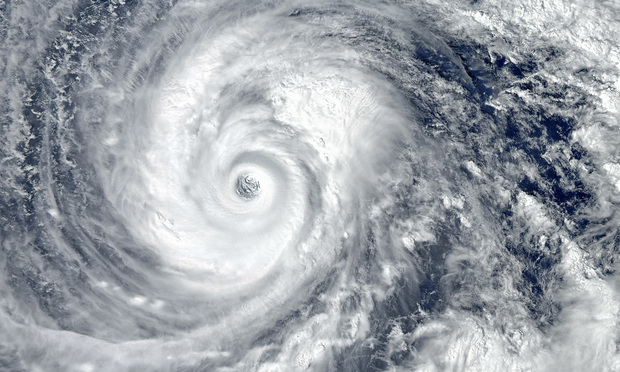
 The TWIA was established in 1971 as an insurer of last resort, exclusively providing wind and hail coverage to certain areas along the southeastern coast of Texas. (Credit: EvgeniyQW/Adobe Stock)
The Texas Windstorm Insurance Association (TWIA) has opted not to increase rates for its customers in 2026 in an attempt to offer some financial relief for coastal residents and businesses. However, there are concerns that this move could jeopardize the insurer’s ability to pay claims in the event of a major hurricane or other catastrophic event.
The move comes after the TWIA’s Actuarial and Underwriting Committee recommended in July that the insurer make a rate filing with the state’s Department of Insurance requesting no change in residential or commercial rates for next year. According to the TWIA, the committee reached this decision after reviewing the company’s 2025 rate adequacy analysis, which it says shows a “significant improvement” in the insurer’s longtime rate inadequacy.
According to its analysis, rate inadequacies for residential coverage now stand at 3% with commercial coverage inadequacies at 5%. While still representative of a shortfall, TWIA says this improvement marks meaningful progress from previous years. TWIA credits this improvement in its inadequacies to legislation recently passed in Texas that reduced the company’s expected costs related to reinsurance, as well as premium and maintenance taxes.
The decision to file the 0% increase was passed at the TWIA’s meeting on August 5 with a vote of 7-1, with one abstention. The filing is expected to be made by the August 15 deadline.
The TWIA was established in 1971 as an insurer of last resort, exclusively providing wind and hail coverage to certain areas along the southeastern coast of Texas. Insurers have historically been reluctant to offer coverage due to weather risk in this area. The TWIA serves customers in 14 first-tier and 14 adjacent second-tier counties, providing homeowners and businesses coverage for these perils for those unable to obtain it through the private market.
Politico reports that as of June 2025, the TWIA’s policy count hit a record 280,000; up from 185,000 at the end of 2020. This increase in policies mirrors a nationwide trend of more insureds leaning on their state’s insurance safety nets in the face of increasing climate risk.
The TWIA rate freeze for 2026 could offer some short-term relief to customers, but there are concerns that this decision may leave the insurer unable to pay claims if the area is hit with a catastrophic hurricane. TWIA will reportedly have around $3.8 billion in reserves in 2026, compared to the $6.2 billion it holds in 2025 – a decrease of around $2.4 billion.
© Arc, All Rights Reserved. Request academic re-use from www.copyright.com. All other uses, submit a request to TMSalesOperations@arc-network.com. For more information visit Asset & Logo Licensing.