 The risks associated with such equipment are the reason for some underwriting restrictions. (Adobe Stock)
You probably remember swinging on a swing set as a kid; if you and your friends swung hard enough, you could get the posts to lift off the ground. As kids, that meant you were doing it well. To an insurance professional, that is a disaster waiting to happen.
Some equipment, even though it’s designed for recreational purposes, is inherently dangerous, as are certain conditions that can be found on a property. Swimming pools and trampolines are often cited as "attractive nuisances," as the potential dangers are severe. An attractive nuisance is an inherently dangerous thing that entices children to it despite the potential harm.
Splash disasters
Swimming pools are popular and fun, but they are also dangerous. Most drownings of children between one- and four-years-old occur in a swimming pool, and 35 percent of drowning deaths in children between ages five and fourteen occur in swimming pools.
Bouncing gone wrong
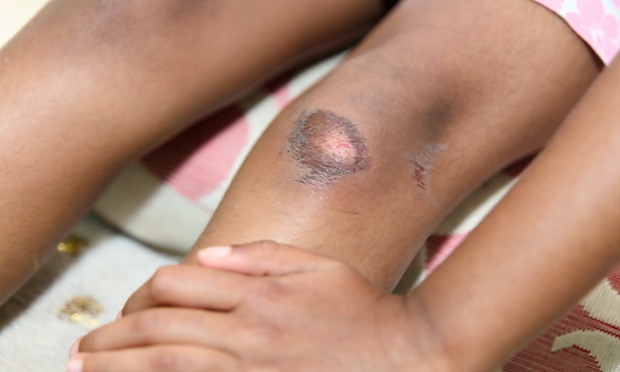
While many people grew up with a trampoline in the backyard, they are also extremely dangerous. According to the American Academy of Pediatrics, between 2009 and 2018, more than 800,000 children were hurt on trampolines. The injuries weren’t limited to broken bones; they included damage to ligaments requiring surgery, and nerve damage. The most severe injuries included paralysis or even death. While trampoline parks may seem safer, they can actually present more hazards. Multiple people jumping in an enclosed space can lead to collisions. Surfaces that allow jumpers to get higher and land with more force add to the risk.
Danger's allure
Certain conditions are also attractive nuisances. Construction equipment and work zones often fascinate children, but they are inherently dangerous when kids try to play on the equipment or in a restricted area. Even large piles of dirt can be risky, as a child might be tempted to run up and down them. If that dirt slides as a child plows downward, injuries could follow.
What insureds should know
The risks associated with such equipment are the reason for some underwriting restrictions. Pools must be fenced, and many insurers may be unwilling to provide any coverage for trampolines. Swing sets and other play equipment should be firmly anchored to the ground, with playground tiles or mats underneath, or a 12-inch deep layer of mulch, sand, or wood chips to cushion falls.
Many counties and cities require pools to be surrounded by a locking fence of a certain height. Those who own above ground pools should never leave the ladder in the pool when the owners aren’t around.
In short, while recreational equipment is designed to be enjoyed, it also comes with risk considerations.
© Arc, All Rights Reserved. Request academic re-use from www.copyright.com. All other uses, submit a request to TMSalesOperations@arc-network.com. For more information visit Asset & Logo Licensing.