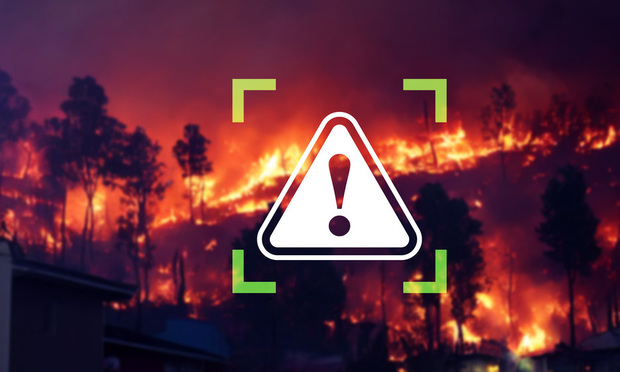
 The study would examine the existing state of wildfire insurance, including the extent to which insurers have altered rates to account for losses or refused to renew policies in high-risk areas. (Credit: metamorworks/Adobe Stock)
Two U.S. legislators have launched a bipartisan effort to gather information that will show exactly how increasing wildfire risk is affecting private homeowners insurers and their customers.
A new bill, called the “Wildfire Insurance Coverage Study Act of 2025,” was introduced last week by U.S. Senators Martin Heinrich (D-N.M.) and Tim Sheehy (R-Mont.). If passed, the act will require the United States Comptroller General, in collaboration with the Director of the Federal Insurance Office and state insurance regulators, to conduct a study to determine the extent of wildfire risk in the U.S. and whether this risk is driving private insurers to refuse new business in certain areas.
“I’m hearing from more and more New Mexicans who’ve seen their insurance premiums skyrocket, lost coverage entirely, or been priced out of protecting their homes. That is completely unacceptable,” Heinrich said in a release. “Families deserve fair, transparent coverage they can count on. We need a clearer picture of how worsening wildfires and climate risks are impacting insurance companies’ decisions to raise insurance premiums. Without better data, we can’t push back when insurers jack up rates or pull the rug out from under homeowners altogether.”
According to the bill, factors examined in the proposed study would include:
- Trends in declarations for wildfires
- Mitigation practices that would assist in reducing costs and risks for wildfire policies
- Identifying existing government programs that measure wildfire risk and assess the effectiveness of these programs
- Analyzing and assessing the need for a national map for measuring and quantifying wildfire risk
The study would examine the existing state of wildfire insurance, including the extent to which insurers have altered rates to account for losses or refused to renew policies in high-risk areas.
In regards to private insurers underwriting wildfire risk, the proposed study would also consider the factors affecting the extent of these insurers to estimate the magnitude and damage of future wildfire; the effects of the push for more affordable housing, which may contribute to homes being built in at-risk areas; the potential for wildfire losses large enough to threaten the solvency of insurance companies; and the extent to which risk-adjusted market premiums for wildfire risk limit affordability and availability for customers.
“In addition to destroying livelihoods, wildfires that burn down communities threaten homeowners’ access to insurance coverage, lead to more costly premiums, and make the American Dream of homeownership less attainable,” Sheehy said. “One-third of America lives in wildfire-prone areas, and we must get our arms around this crisis, because if you can’t get or afford homeowners’ insurance, you can’t finance your home, which means hardworking families can’t achieve homeownership. As we overhaul the federal wildfire apparatus to reduce catastrophic wildfire risk, which will help ease pressure on insurance markets, I’m also proud to lead the charge on this bill to ensure American families’ homes, financial futures, and communities are protected from wildfires.”
© Arc, All Rights Reserved. Request academic re-use from www.copyright.com. All other uses, submit a request to TMSalesOperations@arc-network.com. For more information visit Asset & Logo Licensing.