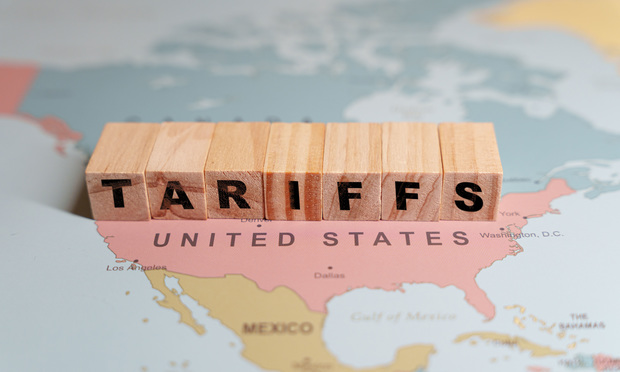
 After several years of post-pandemic growth, U.S. GDP is forecast to grow by just 1.5% this year, down from 2.8% in 2024. (Credit: Rokas/Adobe Stock)
U.S. tariffs are reducing trade and heightening uncertainty, slowing global economic growth, according to a new report from Swiss Re.
Global GDP growth is expected to slow to 2.3% in 2025, down from 2.8% in 2024. The global insurance industry is expected to follow suit: total premium growth will drop to 2% this year, compared to 5.2% in 2024.
"While insurers' profitability outlook is still benefiting from rising investment income, we expect tariffs to slow global GDP growth, and consequently weigh on insurance demand,” said Jérôme Haegeli, Swiss Re’s group chief economist. “In the long term, U.S. tariff policy is another move towards more market fragmentation, which would reduce the affordability and availability of insurance, and so diminish global risk resilience."
Rapid U.S. policy changes have diminished confidence in the U.S. government, the report says. After several years of post-pandemic growth, U.S. GDP is forecast to grow by just 1.5% this year, down from 2.8% in 2024. With global supply chains becoming less efficient, inflation is expected to rise in the U.S.
"U.S .consumers will be hit hardest by U.S. tariff policy and cut their spending as a consequence of higher prices,” Haegeli said. “This in turn will weigh on U.S. growth, which mostly depends on household consumption."
Consumers and firms have likely already started to cut spending and investments in response to the uncertainty, the report says, even if that’s not reflected in economic data yet.
It will take some time for the economy to adjust to the “new normal” of tariffs. Swiss Re forecasts a slight rebound by the end of 2026, with growth of 1.8% for the U.S. economy.
In China, tariffs will slow growth, but only slightly, to a forecast 4.7% in 2025, compared to 5% in 2024.
For the insurance sector, supply chain disruption, trade barriers and reshoring could push inflation up for long periods, creating higher claims costs. Restrictions on cross-border capital flows could lead to higher costs for re-insurers. This could lead to higher insurance rates and leave some risks uninsured altogether.
In non-life insurance, intensifying competition in personal lines and softening market conditions in commercial lines are also contributing to lower premium growth. Growth is expected to be 2.6% this year, down from 4.7% in 2024.
U.S. auto insurance will be the most impacted by tariffs, which will likely increase prices for auto parts used for repairs as well as increase new and used car prices for vehicle replacement. U.S. auto repair costs are expected to grow by 3.8% in 2025.
© Arc, All Rights Reserved. Request academic re-use from www.copyright.com. All other uses, submit a request to TMSalesOperations@arc-network.com. For more information visit Asset & Logo Licensing.