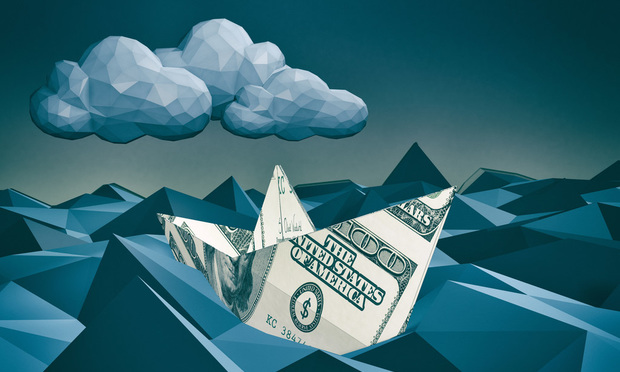
 For the past few years, strong investment returns and a favorable interest rate environment helped prop up insurers’ underlying profitability. Now, lower investment returns could squeeze profitability and put more pressure on underwriting and loss ratios. (Credit: lucadp/Adobe Stock)
The prospect of tariffs has left many in the insurance industry bracing for potential impact. Tariffs hold the promise of raising the underlying cost of materials used for repairs, and their impact on the economy could reverberate in ways that challenge insurance professionals.
Understanding where the pressure points are is crucial, as is coming up with a strategy for facing this challenging environment that has the potential to pressure loss ratios and confuse premium pricing.
But, as we are only beginning the process of dealing with tariffs, a lot of the details remain unclear.
Ongoing speculation...
The clearest place where tariffs could prove costly for insurers is in repair costs post-claim. When it comes to auto insurance, the two pain points are in the cost of autos and tariffs on imported components.
The rules governing how much tariffs will apply to which vehicles and which parts coming from which country has been in flux, but the consensus is that most new vehicles and repair parts will be hit with some level of tariffs.
Early speculation was that tariffs would only apply to specific components, but it now looks like everything from transmissions to gaskets and even door hinges could be subject to higher prices.
This matters because once a vehicle is in a crash, the pieces required to put it back into driving condition could all cost more.
New vehicle pricing is problematic for insurers as well. That's because as the sticker price for new vehicles goes up, so does the amount that needs to be insured, and with that, the underlying premiums.
Being so early in the process, it is unclear whether the full brunt of the tariffs will be passed on to the consumer in the form of higher sticker prices, or if various steps in the supply chain could eat portions of it and instead take it off their profit margins. But some groups are taking a stab at predictions. For their part, Kelly Blue Book expects tariffs on new vehicles to range from $2,500 on the lowest cost vehicles to upwards of $20,000 for higher-end imported models.
On the home front
Similar to auto repair costs, home repair costs find ways to cut into insurer profitability. That's because increased materials costs for post-claims repair, especially lumber, steel and aluminum, all make hurricane and wildfire seasons more expensive.
To show one example, Canada accounts for 85% of the soft-wood lumber used in home construction, according to the National Association of Home Builders.
It isn’t just lumber, either. Building material costs are up almost 6% year over year in May according to the St. Louis Federal reserve, and that is before the bulk of the tariffs had a chance to work their way into the market.
All of that has led to estimates that tariffs could add between $7,500 to $10,000 per new home.
Beyond higher claims
Insurers also need to be watching any potential impacts tariffs could have on the overall economy, particularly in regards to a potential recession.
Already, the Census Bureau is projecting a downward trend for new business formations over the next year. And only 25% of business owners surveyed by the National Federation of Independent Businesses predicted the economy will be improving over the next six months.
Why this matters is that fewer startups and the potential for more business closures means fewer potential customers for commercial lines.
And even if the business doesn’t close, commercial property coverage will be facing similar headwinds post claim as auto and home policies face, particularly higher cost for repair materials.
Investment returns matter to the insurance industry as well. For the past few years, strong investment returns and a favorable interest rate environment helped prop up insurers’ underlying profitability.
Lower investment returns could squeeze profitability and may put more pressure on profitable underwriting and loss ratios.
That said, companies that lean into their marketing efforts during an economic slowdown tend to be rewarded. Customers looking for cost savings when they are feeling pinched are more likely to come calling if an insurer makes an effort to keep their name prominent in the market, and after the downturn is over, all that effort to remain top of mind will likely be rewarded when new businesses start back up.
As tariffs continue to take shape, insurers are left navigating a landscape marked by higher claims costs, uncertain economic indicators, and shifting pricing structures.
Whether it’s the rising cost of auto parts, construction materials, or broader economic drag, the pressure on underwriting margins and loss ratios have the potential of mounting. But with uncertainty could come opportunity. Insurers that stay agile, monitor the evolving landscape, and invest in strategic outreach may find themselves not just weathering the storm — but emerging stronger on the other side.
Michael Giusti, MBA, is an analyst at InsuranceQuotes.com.
© Arc, All Rights Reserved. Request academic re-use from www.copyright.com. All other uses, submit a request to TMSalesOperations@arc-network.com. For more information visit Asset & Logo Licensing.