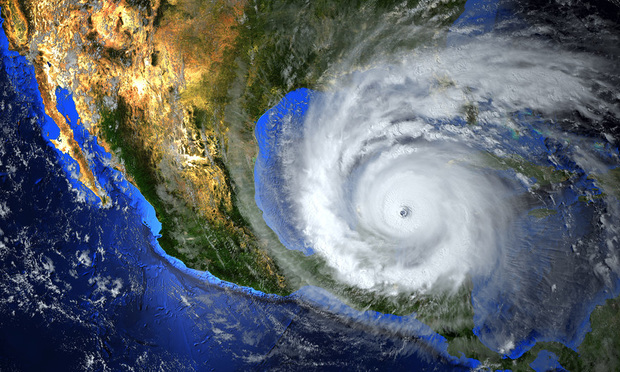
 The database is being dropped due to shifting priorities and staffing changes, the agency said. (Credit: Mike Mareen/Adobe Stock)
The National Oceanic and Atmospheric Administration announced on Thursday that it’s retiring its billion-dollar disaster database, a tool relied on by insurers, local governments, researchers and the public.
The agency said the move was “in alignment with evolving priorities, statutory mandates and staffing changes.”
For more than 40 years, the database tracked weather and climate disasters in the U.S. that cost more than $1 billion. It created a reliable trend line for analyzing the growing occurrence of climate disasters and the rising costs associated with them.
The database had tracked 403 disasters since 1980, which caused nearly $3 trillion in damage. The database has shown that climate disasters are increasing in the United States: the last five years have seen an average of 23 events per year, compared to an average of 3.3 events per year in the 1980s.
The database was a unique resource because it compiled information from across public and private sectors, much of which is not available to the general population. The data was standardized, inflation-adjusted and aggregated from private insurers, reinsurance models and local governments.
Insurers, researchers and governments have relied on the database to estimate future costs and guide preventative actions.
“What makes this resource uniquely valuable is not just its standardized methodology across decades, but the fact that it draws from proprietary and non-public data sources (such as reinsurance loss estimates, localized government reports, and private claims databases) that are otherwise inaccessible to most researchers,” said Jeremy Porter, head of climate implications for and co-founder of First Street, a climate risk financial modeling firm, in an email to CNN.
NOAA has been hit by staffing cuts in recent months, and budget proposals have outlined a 24% cut to the agency’s budget in 2026, including the elimination of its research division and the closure of its weather and climate labs.
The agency said all of the tool’s past reports and data sets will remain archived on the Billion Dollar Disasters home page.
© Arc, All Rights Reserved. Request academic re-use from www.copyright.com. All other uses, submit a request to TMSalesOperations@arc-network.com. For more information visit Asset & Logo Licensing.