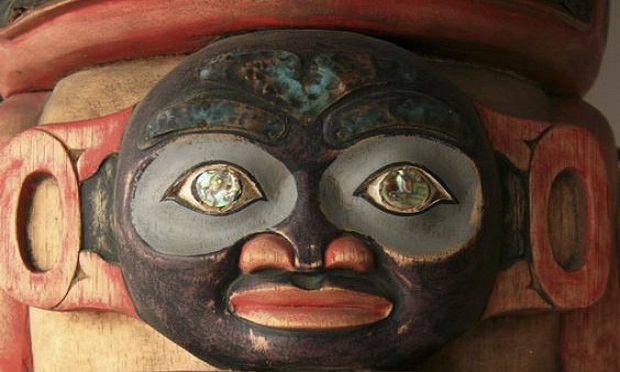
 By implementing safety measures, insureds can mitigate risk and act as more responsible stewards for their art and artifacts. (ALM archives)
Do you know if your insurance clients own fine art and artifacts? Do they know, and if so, have they secured adequate coverage for these items?
Some individuals, businesses or organizations may not realize the value of their assets or know the best practices for protecting them. As a result, they are left exposed to greater risk, especially as many areas of the U.S. are expected to experience extreme weather activity such as hurricanes and wildfires.
Initiating a conversation with clients now can help protect vulnerable art and artifacts from the elements as well as human wrongdoing and other threats.
What follows are key points to discuss with insureds as well as some steps they can take to secure their assets.
Identifying and inventorying assets
Priceless artifacts don't always glisten. It's easy for the untrained eye to miss some assets that carry tremendous value.
In addition to items like paintings, tapestries and statuary, for example, an insured may have valuable printed documents such as historic books or manuscripts.
The first thing your clients should do is take inventory — with the help of an appraiser, if necessary — so they have a comprehensive understanding of all assets. A list is not sufficient on its own; insureds need to be sure to include a photograph, brief description and current retail replacement value for each item.
Preventing damage from the elements
Protecting art and artifacts from the weather is always important , though the impact can vary widely from one location to the next. While you may want to address additional geographic considerations specific to each client, the following three principles are universal.
- A stable, cool temperature is best for most types of art. So ideally, clients should maintain a temperature between 65 degrees and 75 degrees Fahrenheit where art is displayed or stored.
- Ultraviolet (UV) light is harmful to all works on paper and some metals and fabrics. Clients should avoid exposing valuables to spotlight illumination or direct sunlight and consider UV filtering glass for framing.
- Art should be kept at a consistent level of humidity; generally 40-50%. If clients have larger and/or older facilities and can't meet that target, the primary goal is still to keep the humidity constant.
The safest storage practices
While many organizations prefer to display their assets or make them readily accessible, if insureds do need to store valuable items, there are important measures they should take.
Choosing the right location is vital. On-site, clients should choose an isolated, interior room with minimal foot traffic, if possible, to limit exposure, sunlight and drastic temperature changes. They should only consider basements and attics that are insulated and climate controlled for storage. When using an off-site storage facility, clients need to be sure it's not in a high-risk area for flooding, theft, earthquake or wildfire.
This may seem obvious, but clients may need a reminder that art of any size should not be stored directly on the floor. They should use racks or risers to elevate larger pieces and keep smaller items in drawers or on shelves. It's also important to pay attention to other threats like pests, mold or mildew. It's equally vital to take action immediately at the first sign of a problem. Insureds should leave traps on the ground for pests, reduce the humidity level for mold or mildew, and bring in an expert quickly to address issues.
Choosing, optimizing a security system
Organizations have many incentives to implement a security system and mitigate different types of risk. Insureds can incorporate and place specific elements of their system around fine art and artifacts as a preventive measure against theft and financial loss. Video cameras should be placed at facilities' entry points as well as inside areas where the most valuable items are displayed or stored. Burglar alarms also provide 24/7 protection and additional remote monitoring capabilities. And, for timely alerts, motion sensors detect potential unwanted activity instantly.
Updating insurance coverage
Standard property insurance policies may not cover your clients' fine art and artifacts. Depending on the results of each insured's inventory, they may need to update their policy.
Insurance policies differ among carriers, so be sure to research each policy's coverage and limitations related to fine arts.
The process of evaluating and protecting valuable assets may be out of some clients' comfort zone. However, by implementing these safety measures, they can mitigate risk and act as more responsible stewards for their art and artifacts.
© Arc, All Rights Reserved. Request academic re-use from www.copyright.com. All other uses, submit a request to TMSalesOperations@arc-network.com. For more information visit Asset & Logo Licensing.