It's no secret: Airline travel is no longer a fun or even pleasant way to travel.
Airlines are trying to do more with fewer employees, pushing passengers to use self-service for most travel needs including reservations, check-in and baggage check. And we all know that going through security can be a nightmare of its own.
To help passengers make informed choices about which airports to use and what to expect at a given airport, Skytrax began the World Airport Awards in 1999. Skytrax, established in 1989 and based in London, provides specialized research for the air transport industry. The awards, however, are independently funded by Skytrax, not the airlines.
The 2016 awards are based on 13.02 million customer nominations across 112 nationalities of air travelers, and included 550 airports worldwide. The survey evaluates customer satisfaction across 39 key performance indicators for airport service and product from check-in, arrivals, transfers, shopping, security and immigration, through to departure at the gate.
The topics relevant to security screenings that passengers are asked to vote on include:
-
- Waiting times at security screening.
- Courtesy and attitude of security staff.
- Perception of security and safety standards.
For business travelers and their employers there is great comfort in knowing that some airports are better than others at efficient and pleasant security screening.
Here are the 10 global airports that passengers voted as the best for security screening:
(Photo: iStock)
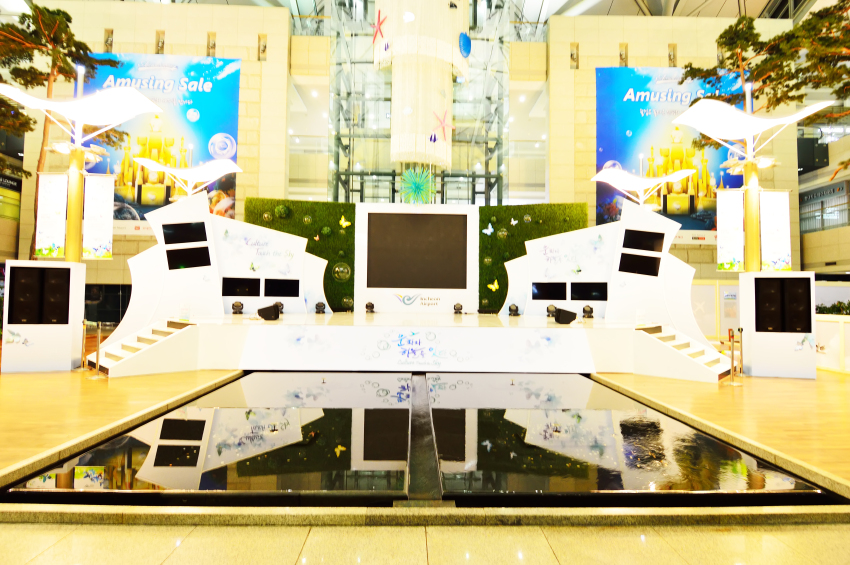
10. Seoul Incheon Airport
The largest airport in South Korea, Seoul Incheon is the primary airport serving the Seoul National Capital Area, and one of the largest and busiest airports in the world. Located 48 km (30 mi) west of Seoul, the capital and largest city of South Korea, Incheon International Airport is the main hub for Korean Air, Asiana Airlines, Jeju Air, and Polar Air Cargo.
The airport opened for business in early 2001, replacing the older Gimpo International Airport, which now serves mostly domestic destinations plus shuttle flights to alternate airports in China, Japan, and Taiwan.
(Photo: iStock)
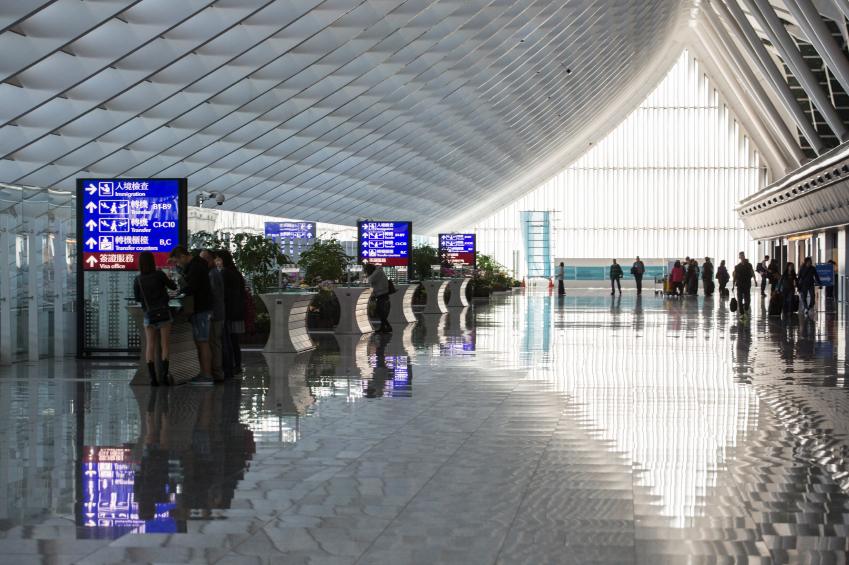
9. Taiwan Taoyuan International Airport
Serving the capital city of Taipei and the northern parts of the island, Taiwan Taoyuan International Airport is located about 25 miles west of Taipei and is Taiwan's largest airport. It is one of five Taiwanese airports with regular international flights, and is the busiest international one. Taiwan Taoyuan is the main international hub for China Airlines and EVA Air.
The airport opened for commercial operations in 1979 and is an important regional trans-shipment center, passenger hub, and gateway for destinations in Asia.
(Photo: iStock)
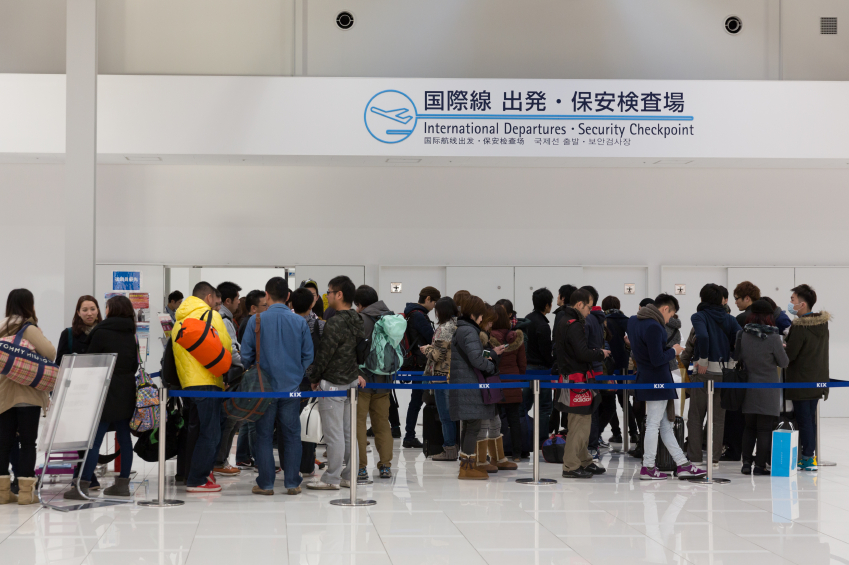
8. Kansai International Airport
Kansai International Airport in Japan is located on an artificial island in the middle of Osaka Bay, 38 km (24 mi) southwest of Osaka Station. The airport is off the Honshu shore and was designed by Italian architect Renzo Piano. Kansai serves as an international hub for All Nippon Airways, Japan Airlines, and Nippon Cargo Airlines, and also serves as a hub for Peach, the first international low-cost carrier in Japan.
Kansai opened Sept. 4, 1994, to relieve overcrowding at Osaka International Airport, which is closer to the city of Osaka and now handles only domestic flights.
Related: 27 safety tips to reduce business travel risks
(Photo: iStock)
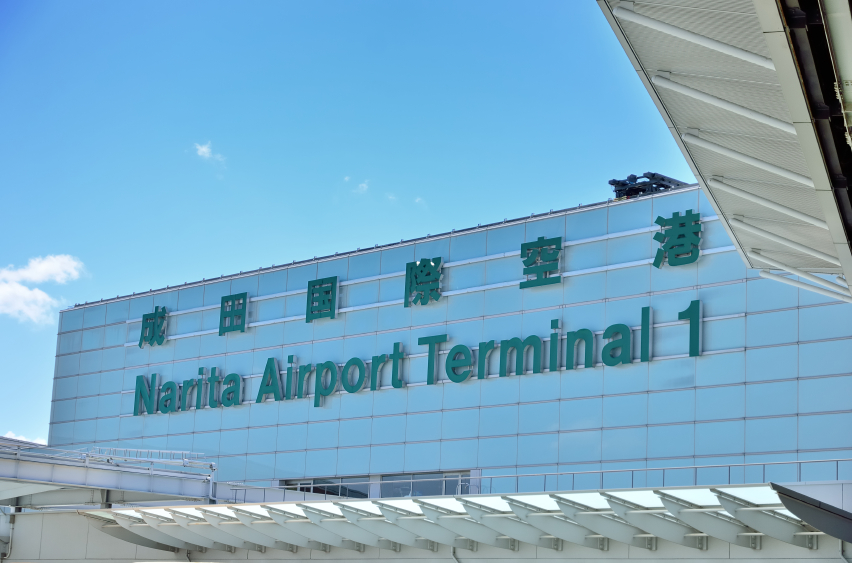
7. Tokyo Narita International Airport
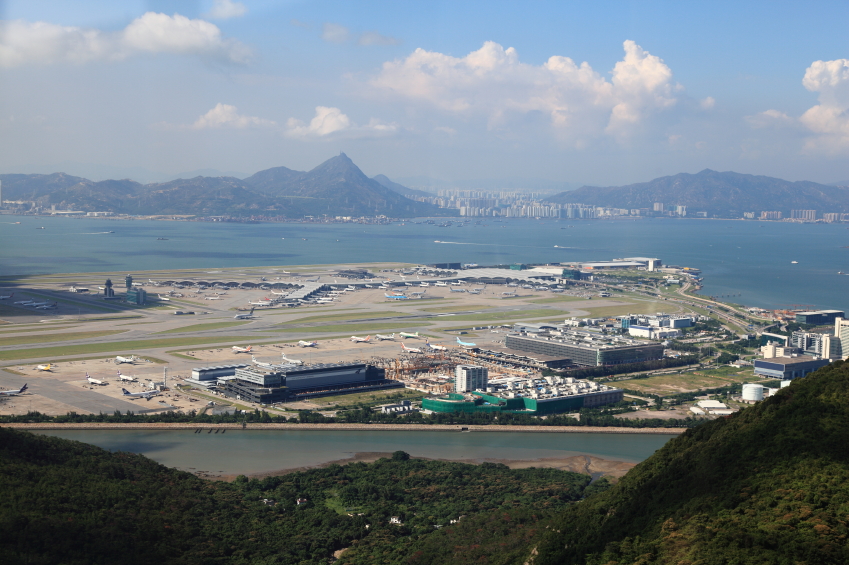
An international airport serving the Greater Tokyo Area of Japan, Tokyo Narita is located approximately 37 miles east of central Tokyo.
Narita is the predominant international airport in Japan, handling around 50% of the country's international passenger traffic and 60% of its international air cargo traffic.
Narita serves as the main international hub of Japan Airlines, All Nippon Airways and Nippon Cargo Airlines, and as a hub for low-cost carriers Jetstar Japan, Peach and Vanilla Air. It also serves as an Asian hub for Delta Air Lines and United Airlines.
(Photo: iStock)
6. Hong Kong International Airport
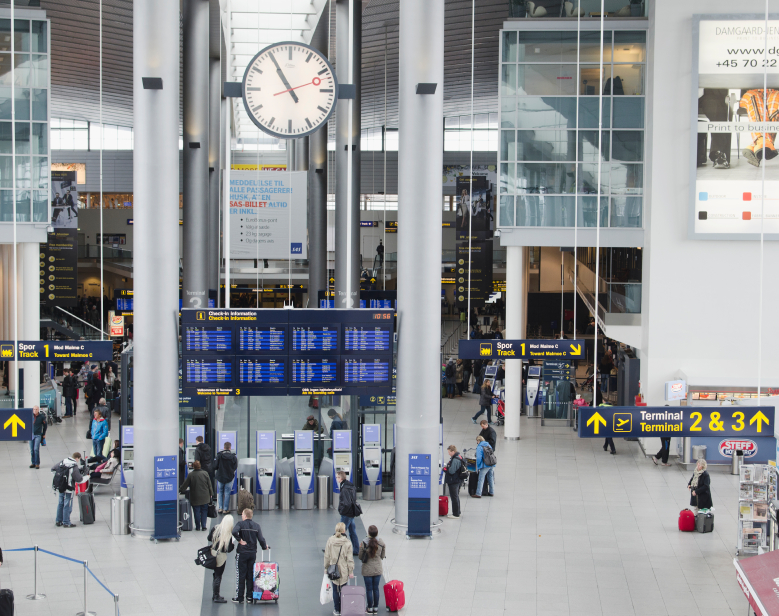
The Hong Kong International Airport describes itself as “located less than five flying hours from half of the world's population” as well as “the world's busiest cargo gateway and one of the world's busiest passenger airports.”
HKIA, which opened in July 1998, replacing an older facility, is connected to more than 190 destinations, including 47 in Mainland China, through around 1,100 daily flights by more than 100 airlines.
Related: Leaving on a jet plane? Here are the top 20 safest airlines for 2016
(Photo: iStock)
5. Copenhagen Airport, Kastrup
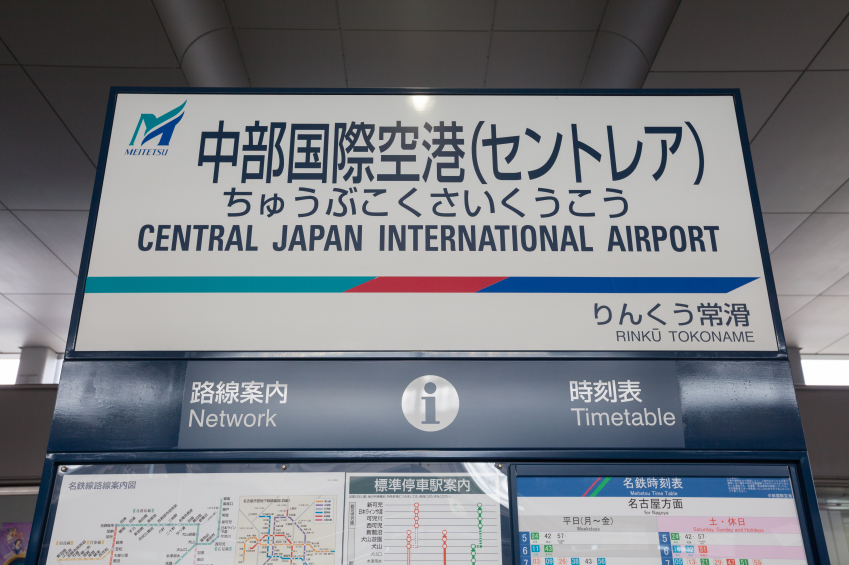
Copenhagen Airport, Kastrup, currently Europe's 15th largest airport, is the main international airport serving Copenhagen, Denmark, the entire Zealand, the Oresund Region, and a large part of southern Sweden. It is the largest airport in the Nordic countries with 26.6 million passengers in 2015 and one of the oldest international airports in Europe, opened in 1925. Furthermore, it is by far the busiest airport for international travel in Scandinavia.
The airport is located on the island of Amager, just 5 miles south of Copenhagen city center.
The airport is the main hub out of three used by Scandinavian Airlines and is also an operating base for Thomas Cook Airlines Scandinavia and Norwegian Air Shuttle. Unlike other Scandinavian airports, a considerable number of the airport's passengers are international. In 2015, 6.1% of passengers travelled to and from other Danish airports, 83.5% to/from other European airports, and 10.4% were intercontinental passengers.

Sunflower garden at Changi Airport. (Photo: iStock)
4. Changi Airport Singapore
Singapore's Changi Airport was opened in 1981 and operated by the country's Civil Aviation Authority until 2009. In response, Changi Airport Group was formed in 2009 to run the airport .
Changi is the primary civilian airport for Singapore, and one of the largest transportation hubs in Southeast Asia. Located in Changi, at the eastern end of Singapore, the airport is approximately 10.7 miles northeast of downtown Singapore. It is the home base of Singapore Airlines, Singapore Airlines Cargo, SilkAir, Scoot, Tigerair, Jetstar Asia Airways, Valuair and BOC Aviation, as well as a focus city of AirAsia.
(Photo: iStock)
3. Chubu Centrair International Airport
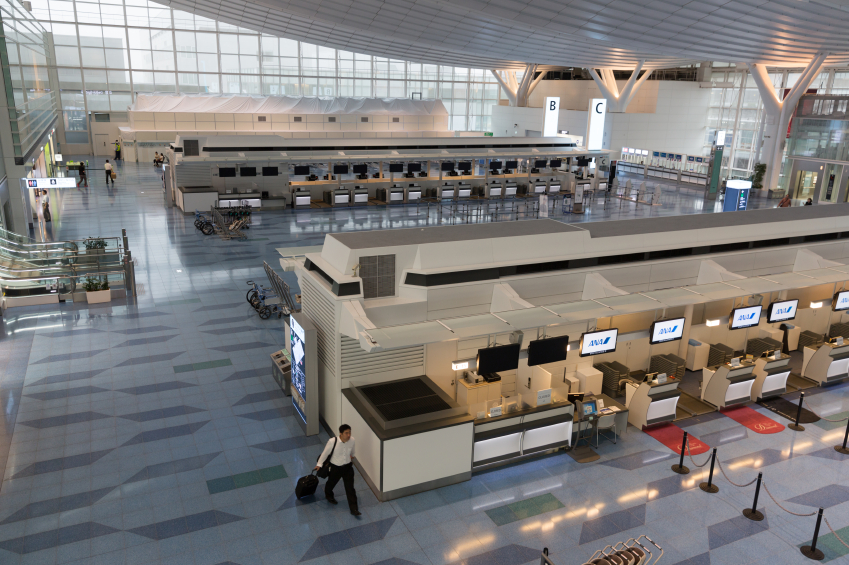
Chubu Centrair International Airport is an airport on an artificial island in Ise Bay, 22 miles south of Nagoya in central Japan.
Centrair is classified as a first class airport and is the main international gateway for the central region of Japan. It's the second airport built in Japan on a manmade island, after Kansai International Airport.
Chubu Centrair serves the third largest metropolitan area in Japan, centered around the city of Nagoya. The region is a major manufacturing center, with the headquarters and production facilities of Toyota Motor Corp. and production facilities for Mitsubishi Motors and Mitsubishi Aircraft Corp.
(Photo: iStock)
2. Tokyo Haneda
Haneda Airport is one of the two primary airports that serve the Greater Tokyo Area, and is the primary base of Japan's two major domestic airlines, Japan Airlines and All Nippon Airways. It is located in Ota, Tokyo, 8.7 miles south of Tokyo Station.
Haneda was the primary international airport serving Tokyo until 1978; from 1978 to 2010, Haneda handled almost all domestic flights to and from Tokyo as well as “scheduled charter” flights to a small number of major cities in East Asia, while Narita International Airport (see No. 7) handled the vast majority of international flights.
In 2010, a dedicated international terminal was opened at Haneda in conjunction with the completion of a fourth runway, allowing long-haul flights during night-time hours. Haneda opened up to long-haul service during the daytime in March 2014, with carriers offering nonstop service to 25 cities in 17 countries. The Japanese government is currently encouraging the use of Haneda for premium business routes and the use of Narita for leisure routes and by low-cost carriers.
(Photo: iStock)
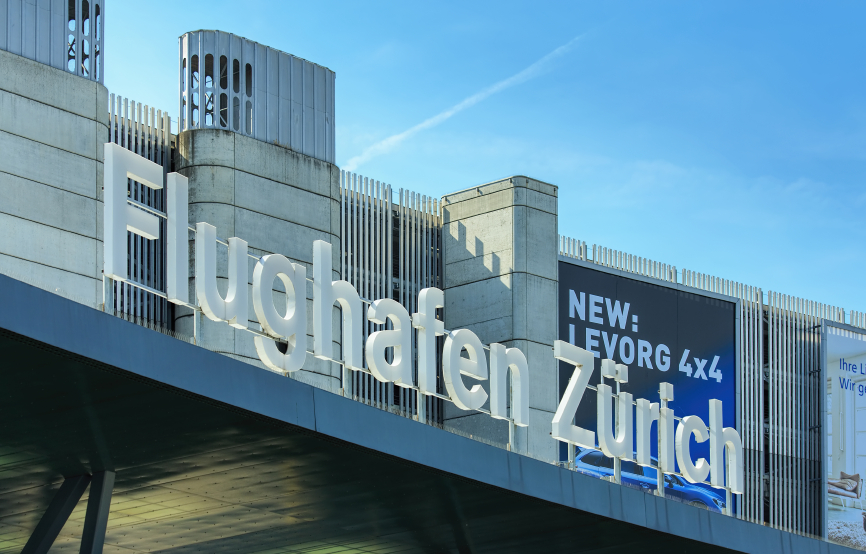
1. Zurich Airport
Zurich Airport, also known as Kloten Airport, is the largest international airport of Switzerland and the principal hub of Swiss International Air Lines. It serves Zurich, Switzerland's largest city, and, with its surface transport links, much of the rest of the country. The airport is located 13 km (8 miles) north of central Zurich.
Since 2000, Flughafen Zurich AG has operated Zurich Airport as a privatized listed company on behalf of the Swiss Confederation.
Editor's Note: To see information about a specific airport, visit the airport review area of Skytrax's website and click on the name of the airport.
© Arc, All Rights Reserved. Request academic re-use from www.copyright.com. All other uses, submit a request to TMSalesOperations@arc-network.com. For more information visit Asset & Logo Licensing.