Spring for many people means moving and home-buying season.
One item that buyers often consider before making the decision of which house to purchase is the cost of Homeowners' insurance.
Many factors go into setting premiums, however, including the amount of insurance purchased (generally based on the value of the insured property), the types of property covered, the types of perils covered, and the specific limits and deductibles a policy holder chooses.
For example, owners of a home on 10 acres far from a fire hydrant or fire department may pay higher premiums than owners of a home on a small urban lot with a fire hydrant at the end of their driveway. As with all insurance coverage, it's about the risk.
According to a February 2016 study by the National Association of Insurance Commissioners, the average Homeowners' insurance premium across the United States in 2013 (the most recent complete annual data available) was $1,086. That represents an average increase of 6% from 2012.
Location, location, location
As you might expect, real estate values and construction costs tend to be higher in areas with greater populations.
Considering values, premiums are often higher in more heavily populated places, such as New York City or Los Angeles. Vacation and retirement areas, such as Naples, Fla., or Phoenix, as well as areas that are growing, also tend to have relatively higher real estate values.
The type of residence, the availability of building materials and factors such as local climate and building materials all have an effect on construction costs. The price of insurance also varies with repair costs for rebuilding or renovations to minimize losses from earthquakes or hurricanes.
The most significant variable in the cost of insurance to homeowners is the degree of exposure to catastrophes, including brush and forest fires, tornadoes, high winds, hail, freezing rain, snow storms, hurricanes, earthquakes, riots and terrorist attacks.
The report includes data for eight policy forms that are grouped into three broad categories for comparison purposes:
- Dwelling fire policy (one family, owner-occupied, non-seasonal buildings).
- Homeowners' package policies for owner-occupied dwellings (one to four family units).
- Homeowners' package policies for tenants, condominium and cooperative unit owners.
It contains tables that show state and countrywide exposures by policy type, individual policy form, as well as insurance coverage amount, which is divided into ranges with total exposure percentages provided for each range.
In 2013, Homeowners' owner-occupied policy exposures accounted for 75.9% of exposures across the United States. Tenant and condominium policy exposures accounted for 21.9%, and dwelling fire exposures were 2.2%.
You'll find the 10 states with the highest average annual Homeowners' insurance premiums on the following pages:

(Photo: iStock)
10. Alabama
Average Homeowners' annual premium: $1,303.

(Photo: iStock)
9. Connecticut
Average Homeowners' annual premium: $1,310.

(Photo: iStock)
8. Massachusetts
Average Homeowners' annual premium: $1,311.
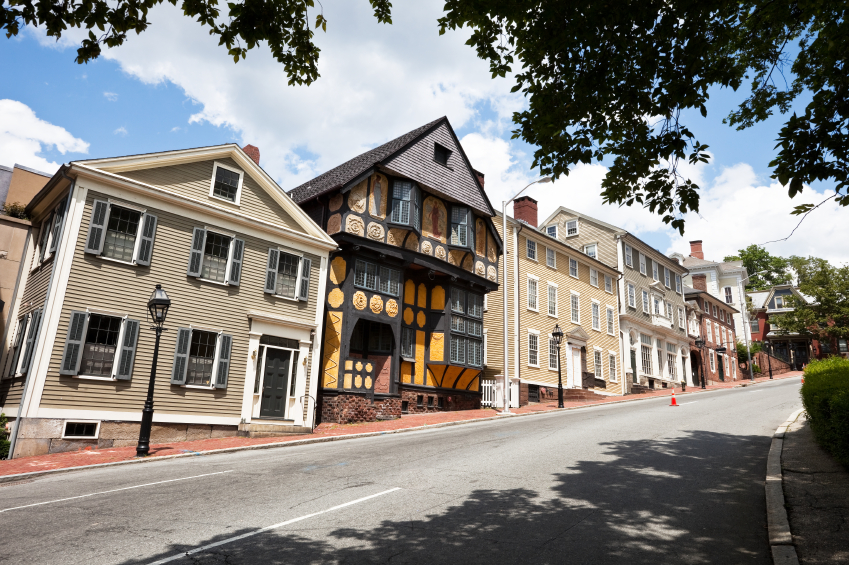
(Photo: iStock)
7. Rhode Island
Average Homeowners' annual premium: $1,338.

(Photo: iStock)
6. Kansas
Average Homeowners' annual premium: $1,353.

(Photo: iStock)
5. Mississippi
Average Homeowners' annual premium: $1,485.

(Photo: iStock)
4. Texas
Average Homeowners' annual premium: $1,587.

(Photo: iStock)
3.Oklahoma
Average Homeowners' annual premium: $1,641.

(Photo: iStock)
2. Louisiana
Average Homeowners' annual premium: $1,778.

(Photo: iStock)
1. Florida
Average Homeowners' annual premium: $2,038.
© Arc, All Rights Reserved. Request academic re-use from www.copyright.com. All other uses, submit a request to TMSalesOperations@arc-network.com. For more information visit Asset & Logo Licensing.