El Niño gets a lot of publicity in relation to major storms, such as Hurricane Patricia, or severe blizzards, but El Niño can have an impact on day-to-day weather as well, explains Elaine Montgomery-Baisden, vice president and chief underwriting officer, Personal Insurance, for Travelers.
A strong El Niño system could elongate the amount of time that different types of weather will continue. According to the National Oceanic and Atmospheric Administration (NOAA), there is an approximately 95% chance that the current El Niño will continue through the Northern Hemisphere winter of 2015–16, gradually weakening through spring 2016.
What is "El Niño"? NOAA defines it as a weather pattern characterized by unusually warm ocean temperatures in the Equatorial Pacific, as opposed to La Niña, which is characterized by unusually cold ocean temperatures in the Equatorial Pacific. El Niño is credited (or blamed) for increased rainfall across the southern tier of the U.S., which has caused destructive flooding, and for drought in the West Pacific.
Many agents and brokers may have used El Niño in the spring as an opportunity to speak with clients about Homeowners or other property coverage, but there are other times of the year that lend themselves to conversations as well, Montgomery-Baisden says. "As we approach winter, El Niño offers agents another opportunity to connect with clients. For example, have clients inspected their roofs and cleaned out gutters?"
Jim Gustin, property technical director for Travelers Risk Control Department, who is a civil engineer by education and fire protection engineer by craft, agrees that, from a risk control standpoint, all the predictions about El Niño lasting into the spring of 2016 give insurance agents the opportunity to talk to clients about storm preparations and property coverage.
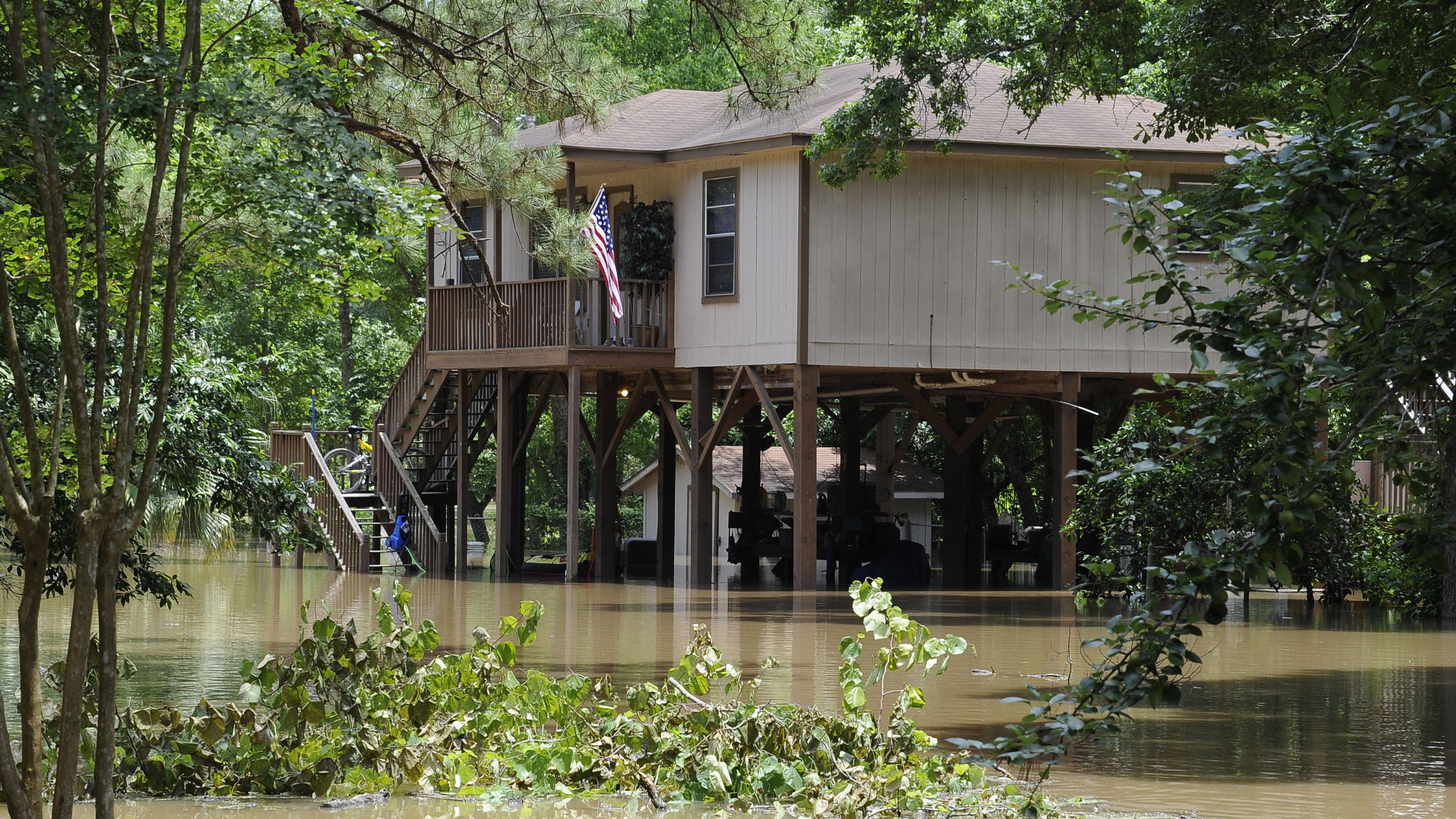
(Photo: Pat Sullivan/AP)
Flood risk assessment
Agents also should do a full review on the deductibles that clients carry, Montgomery-Baisden says. If clients live close to water — the ocean, a lake, a river or other low-lying areas — do they have flood insurance? Damage from flooding isn't covered under the standard Homeowners policy. Also, what kind of coverage do they have for contents, which is limited under a flood policy?
An important part of planning for commercial and residential property is assessing flood risk. "First, know what your flood risk is and try to evaluate that," Gustin said. "Then, make sure sump pumps or drains are operating properly." He recommends that agents ask their clients:
- Would your sump pump operate if you lost power?
- Does the property have an emergency generator to supply power to the sump pumps to prevent flooding if the power goes out?
- Does the area have back pump preventers installed on sewer drains to prevent some of that debris from coming back up to the building?
El Niño could delay the start of winter in certain parts of the country but make it last longer, Montgomery-Baisden said. For example, in parts of the Northeast or mid-Atlantic states, December often brings sleet and freezing rain with heavy snows in January and February. You may expect to shovel snow but you may not think about ice on your driveway or walkway. You could be at fault if someone slips and falls, especially if your local government has an ordinance that requires you to remove snow and ice from public sidewalks that run in front of your property. Montgomery-Baisden recommends that homeowners always keep sidewalks clear whether they're required to or not.
If you're leasing commercial property, Gustin says, although the ultimate responsibility for maintaining the property usually belongs to the property owner, you should still look at whether you're preventing ice build-up and keeping sidewalks and walking surfaces safe. You should also note whether those surfaces are deteriorating because of weather events such as heavy rain, flooding, ice and snow so they can be repaired before winter sets in.

(Photo: Damian Dovarganes/AP)
Roof inspections
Gustin recommends trimming trees and removing dead branches so they're not prone to falling on the building, making sure that those that can fall due to wind, ice or snow are trimmed away from the facility. "Check the flashing on the roof to make sure that it's in good condition," he said, "and that it's sealed down to help prevent water penetration. It also prevents wind damage to the roof covering."
Additional recommendations include inspecting the roof to look for maintenance issues that could make the roof more susceptible to damage, for instance:
- Surface bubbles or areas with missing gravel on flat roofs.
- Missing or damaged shingles or tiles.
- Anomalies in the roof covering, the attachment of the roof or the flashing to the building that can potentially lead to water intrusion or damage.
Different buildings have different designs, Gustin points out, but whether they have gutters and downspouts or center roof drains, make sure those are clear so the roof can drain properly and prevent overloading, which can certainly lead to a potential roof collapse. "Determine whether gutters and downspouts are cleared and working properly," Gustin he adds. "Do they actually drain away from the building? Does the land slope away from the building so that if you do get more rain in a shorter period of time than the typical storm, it will flow away from the building, not into a crawl space or basement?"
For commercial customers, Gustin recommends roof inspections on a monthly basis as a best practice. "You can get storms, dirt and debris, you may get wind, and you also get contractors on the roof servicing HVAC equipment, for example. Have they left anything behind? Have they caused any damage that needs to be repaired?"

(Photo: Jason Reed/Thinkstock)
End-of-the-year review
The end of the calendar year can be a good time for agents to contact clients to do a full coverage review. Montgomery-Baisden suggests that agents ask: "What property do you have in your house? What have you purchased or received as gifts during the year or during the holidays? Have there been significant changes to your contents?"
She also recommends that agents remind clients to take inventory of their personal property. "Use a video camera — you probably have one on your smartphone — and record everything you own," she said, including items in closets and drawers. As you're going around the house, don't forget the basement and attic. If you take out heirloom china or crystal to use for the holidays, photograph them on your dining room table.
"Don't forget to inventory outdoor property," Montgomery-Baisden said. "For example, list all the patio furniture you might have, and include planters, garden hoses, trash cans or lawn mowers."
To make completing a personal property inventory easier, agents can refer clients to inventory software from individual carriers or from the Insurance Information Institute. Most inventory software stores the inventory "in the cloud" so it can be accessed from any location.

(Photo: Pixsooz/Thinkstock)
Emergency planning
Agents can also take the opportunity to discuss emergency planning, reminding homeowners that such plans aren't just for businesses. "You should know how to get in touch with all family members, depending on where they are," Montgomery-Baisden advises, "and have a meeting place picked out." She also reminds people to think about how they would get pets or elderly or disabled family members to safety, especially if they have to evacuate out a second-story window.
Keep a battery-powered radio and flashlights handy, and make sure you have the batteries you need as well as a list of the various types, she says. You can also photograph the item and the battery next to it so you know which battery goes with which item and which replacements to buy.
Gustin notes that a difficult group of clients for many agents to reach are small to mid-size businesses because they don't have as many employees or staff. They are less likely to have written business continuity plans or recovery plans. Therefore, when they're faced with a weather emergency, they're typically more likely to not open back up.
Gustin agrees with Montgomery-Baisden that, whether it's a business customer or individual personal insurance customers, planning ahead is the key — which presents many opportunities for agents and brokers.
Related: Insurance basics for new homeowners
© Arc, All Rights Reserved. Request academic re-use from www.copyright.com. All other uses, submit a request to TMSalesOperations@arc-network.com. For more information visit Asset & Logo Licensing.