As of 2010, the world population was 6.9 billion, and by 2020 it’s projected to reach 7.72 billion. That’s a lot of mouths to feed with fewer farmers to raise crops. What would happen to the global food supply system if there was a sudden shock, such as a catastrophic weather event?
To assess the potential risks to the world’s food supply, Lloyd’s asked food security and sustainable development experts to develop a scenario describing a plausible, relatively severe production shock affecting multiple agricultural commodities and regions, and to describe the domino effect that could result.
Lloyd’s researchers began with the premise that global demand for food is rising, driven by unprecedented growth in the world’s population and shifts in consumption as countries move from agrarian to industrial economies. The Food and Agriculture Organization (FAO) of the United Nations projects that global agricultural production will need to more than double by 2050 to close the gap between food supply and demand. According to CGIAR, a global agricultural research partnership, agriculture is the single largest employer in the world, providing jobs for 40% of the world’s population.
As the demand increases, the food system is becoming more and more vulnerable. For example, 2014 was the year of the lime shortage, followed by 2015 as the year of the avocado shortage. And every year there are threats of price increases and shortages of certain wines because of poor grape harvests.
The experts found that:
- A combination of three catastrophic weather events — flooding of the Mississippi and Missouri rivers, severe drought in India and an epidemic of soybean rust — could undermine global food production.
- Wheat, maize and soybean prices could increase to four times the average levels reached during the 20 years before the global food price shock of 2007–2008.
- The events outlined in the scenario have the potential to lead to food riots, which in turn would lead to wider political instability and repercussions for a broad range of businesses from food transporters to packagers and processing plants, among others.
- The overall economic impact of high food prices, along with political instability, could have a severe impact on financial markets. Under the Lloyd’s scenario, the main European stock markets could lose up to 10% of their value while the U.S. stock markets could lose 5%.
[Related: Business interruption insurance becomes an essential risk management tool]
(Photo: Shutterstock/mikeledray)
Impact on insurers
According to the report, Food System Shock, a shock to the global food supply could trigger significant claims across multiple classes of insurance, including:
- Terrorism and political violence
- Political risk
- Business interruption
- Marine and aviation
- Agriculture
- Environmental liability
- Product liability and recall
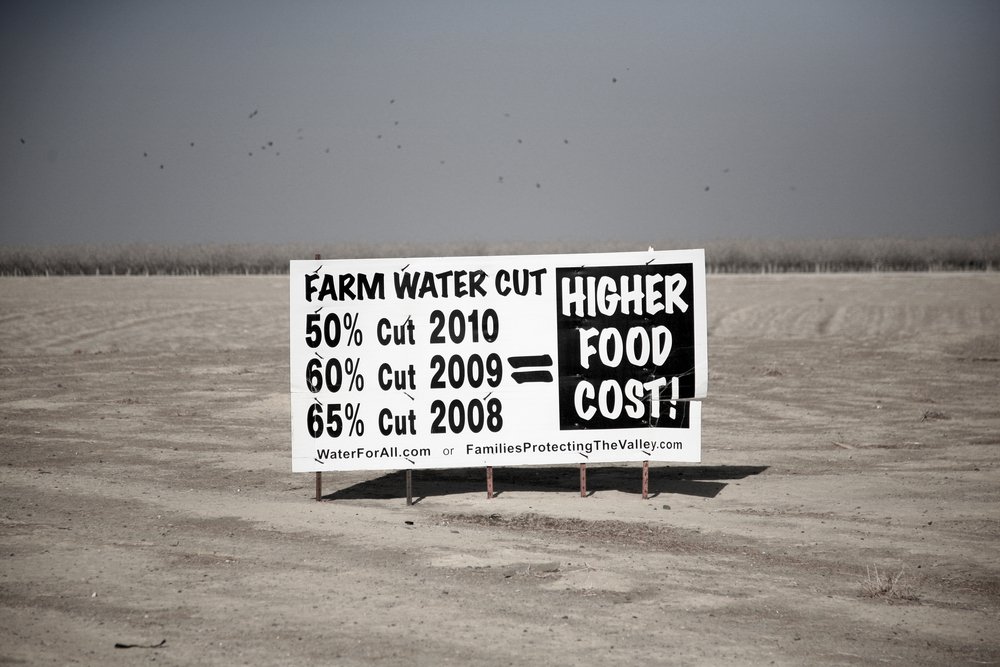
The research suggests that the losses could be compounded by the potential for any food system shock to last for many years (the California drought, for instance, which is in its fourth year), and the ability of insurers to pay claims quickly is expected to be an important factor in post-shock recovery. Additional effects on the insurance industry include impacts on investment income and the global regulatory and business environment.
As risk managers become more aware of the threat to their organizations posed by potential food system interruption, they should investigate comprehensive risk transfer options and address any gaps in their risk management. For insurers, food system disruption could present a substantial opportunity to develop innovative risk transfer products that would enhance global resilience to potential systemic food supply shocks. The report also notes that there is a need for models capable of capturing the physical, economic and social effects of extreme events.
Lloyd’s explains that it has chosen to share the results of its study with the public because it believes that a debate within the insurance industry, and beyond, will strengthen the global community. To obtain a copy of the report, click here.
© Arc, All Rights Reserved. Request academic re-use from www.copyright.com. All other uses, submit a request to TMSalesOperations@arc-network.com. For more information visit Asset & Logo Licensing.