The winter storm that tore through much of New England this week was a cold reminder of the damage that comes when snow is measured by the foot. Snow and ice toppled trees, caused auto accidents, disrupted flights across much of the U.S., were responsible for countless slip and fall injuries, forced the cancellation of numerous schools and events, and disrupted life for millions of people.
While winter storm Juno wasn't as bad as originally forecast for New York and New Jersey, parts of eastern Massachusetts experienced blizzard conditions and were almost invisible under several feet of snow as of Wednesday. Winds along the coast were clocked at more than 70 mph. Parts of Connecticut saw over two feet of snow, while New York and New Jersey saw everything from eight inches to about two feet. Snow totals in Maine reached well over a foot.
A blizzard is defined as heavy or blowing snow with wind speeds exceeding 35 mph and reduced visibility for more than three hours. Not all snow storms are blizzards, and some like Juno can be a snow storm in one part of the country and a blizzard in another.
After hurricanes and tornadoes, severe winter storms are the "third-largest cause of insured catastrophic losses," according to Dr. Robert Hartwig, president of the Insurance Information Institute (I.I.I.). Most winters, losses from snow, ice and other freezing hazards total approximately $1.2 billion, but some storms can easily exceed that average.
Here is a look at the top 5 costliest winter storms based on insured losses.

5. Downslope Nor'easter – Dec. 10-13, 1992
Referred to as the Great Nor'easter of 1992 or the Downslope Nor'easter, this storm involved snow, high winds, flooding and record high tides from Maryland to New England. The tides rose as much as 12 feet above normal along the shores of New Jersey and New York. The mountains of New England saw several feet of snow, while the valleys saw none as a result of the downslope effect.
According to Bankrate.com, 19 people died and damage estimates were $2 to 3 billion with insured losses totaling approximately $1 billion.

4. Winter storm – April 7-11, 2013
To prove that Mother Nature doesn't play favorites, this storm dumped record snows across North and South Dakota, and basically wreaked havoc from California to the Midwest with large hail, violent thunderstorms and tornadoes.
Damage estimates totaled $1.5 billion and insured losses were slightly less at $1.2 billion.

3. Winter storm – April 13-17, 2007
Once again the Northeast was the target of a winter storm that brought heavy amounts of snow, high winds and dumped over a half foot of rain in a 24-hour period in New York City. An area stemming from the Carolinas to New England saw power outages, hail, tornadoes, snow and flooding that were so bad, the Internal Revenue Service extended the tax filing deadline by two days for those living in the stricken areas.
Damage estimates were close to $2 billion with insured losses totaling $1.58 billion.
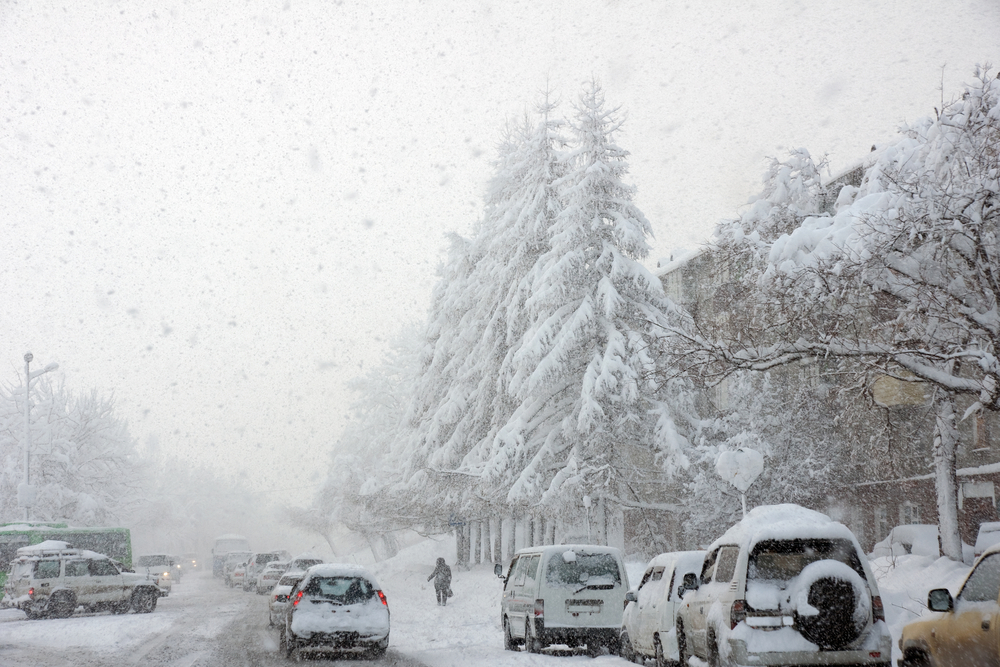
2. Polar Vortex – Jan. 5-8, 2014
We don't have to go back too far to find the second costliest winter storm to hit the U.S. Last year's Polar Vortex brought freezing rain, snow, wind and ice to multiple states and caused nearly $1.7 billion in insured losses, according to Property Claims Service, a unit of Verisk Analytics.
"Losses from snow, ice, freezing and related causes totaled $2.3 billion last year, after averaging about $1.2 billion annually over the previous 20 years," said I.I.I.'s Hartwig in a statement. "Insured losses caused by winter weather were $1.9 billion in 2013, so the last two years have been well above what the insurance industry has traditionally seen from this type of severe weather."

1. Blizzard – March 11-14, 1993
Coming in at number one is the blizzard of '93. Memories of this storm include attempting to trudge through several feet of snow to even begin digging out and high winds that blew through every layer of clothing you wore. The blizzard paralyzed 24 states, caused massive power outages for days (10 million were without electricity) and created disposal problems for municipalities because there wasn't any place to put the snow removed from roads. Schools were closed for over a week and more than 200 people died from what would become known as the "storm of the century."
Losses across the country reached $5 billion and insured losses were over $1.9 billion.
Numbers from winter storm Juno won't be in for a while, but hopefully the damage numbers will fall well below any of these record-breaking weather events.
© Arc, All Rights Reserved. Request academic re-use from www.copyright.com. All other uses, submit a request to TMSalesOperations@arc-network.com. For more information visit Asset & Logo Licensing.