If you're among the people lucky enough to spend most of the winter months in a warmer climate, you know it's more than just a matter of packing up a suitcase and heading out the door. Taking some practical precautions before you leave can help protect your home against theft, damage from water or other system malfunctions, and unnecessary surprises.
Creating a winter checklist can help ensure that nothing is forgotten before you leave or when you return. Allow plenty of time to prepare – frequent snowbirds recommend several weeks to ensure that nothing critical is overlooked.
Here are the most important items to remember.

1. Appliances and utilities
Appliances drain a lot of electricity and can increase your utility bill and the risk of fire. Unplug all unused appliances such as microwaves, washers and dryers, televisions, computers and spare refrigerators if not in use. Depending on how long you'll be gone, you may want to empty and turn off your primary refrigerator, but don't forget to leave the doors open and put baking soda inside to cut down on any odors.
With so many vendors offering multiple services like phone, cable and internet for one price, you may not be able to turn everything off. Do turn the ringer off on your phone since a ringing phone can be a tip-off to would be intruders that no one is home. Some services allow customers to forward their calls to another phone number, so consider using that option.
If you're canceling your cable for several months, don't forget to return the converter box so you don't incur any additional charges.
Turn off the ice maker and empty the ice bin in the freezer. If the electricity goes off and the ice melts, it can create some water damage.

2. Mail/newspapers/packages
How you manage this will also depend on how long you'll be away. The post office will hold mail up to 30 days, so if you're gone for several months, it might make more sense to have it forwarded. Another option is to have a trusted friend or neighbor get the mail and send any pertinent letters to your other address weekly or bi-weekly.
Newspapers should be stopped, but sometimes those pesky free ones are impossible to stop, so consider having someone watch your front door or driveway for them. The same thing applies to unexpected packages or deliveries.
Notify the bank and credit card companies of your change in address so they don't put a hold on the account or decline what look like suspicious charges from your new location.

3. Prescriptions and doctors' appointments
Bring copies of your prescriptions and pertinent medical records in case there is an unscheduled trip to the doctor or hospital. Visit your regular physician to make sure all prescriptions are updated and can be easily refilled at local drug stores.

4. Water
Depending on whether or not anyone will be in your home for any period of time while you're gone, it may be best to turn off the main shutoff valve. If someone will be in the home from time to time, shut off the valves to the washing machine, sinks and toilets to minimize the risk of a flood. After a fire, flooding will be the next biggest risk to your home. Turn off any valves outside, including automatic irrigation systems. Some owners choose to have their pipes drained by a professional to avoid any type of water leaks.

5. General maintenance
Clean the gutters and drains of debris so water drains easily. If you live in a snowy climate, make sure someone will plow your driveway and shovel the walkways. Untouched driveways are a sure sign that no one is home and some jurisdictions levy fines for unshoveled sidewalks.
Consider hooking up multiple timers throughout the house so it looks like someone is home and the lights are going on and off at different times. Use motion or light sensors on outdoor lights so they come on at dusk or as someone approaches the house.
If you're leaving a car in the garage, consider over-inflating the tires a little and put fuel stabilizer in the gas tank. When someone checks on the house, they can start the car too (with the garage door up, of course).
Some security systems allow owners to view different areas of the house in case there is a problem. If you have a security system, let the company know you will be away, and provide a trusted friend or neighbor with the security code in case the alarm goes off.
Make sure your smoke alarms work and have fresh batteries. Bring in or secure any furniture, planters or items that could blow away in heavy winds.

6. Thermostat
Set the thermostat back to between 55 and 60 degrees. If a power outage occurs, there is a risk of frozen pipes if the temperature in the house is too low. There are devices that can monitor the temperature and notify you if it drops below a certain level. Home monitoring systems may also provide alerts.
7. Chimney
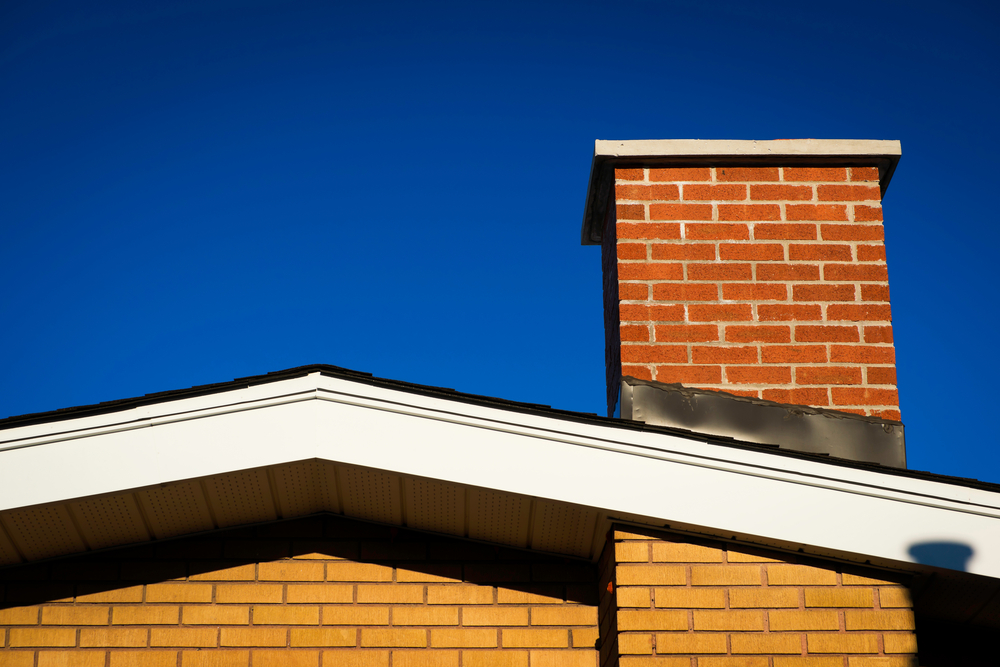
Make sure to close the flue to the chimney to keep out any unwanted guests like squirrels, bats or birds. Also check to make sure there is a guard or screen over the top of the chimney, since this also helps to keep out animals.

8. Windows and doors
Look at your windows and doors to make sure they are securely closed and the locks work. Consider keyed window locks in addition to the regular locking mechanism. Deadbolts should be used on doors, which should be solid and shut tightly.
Trim back bushes and hedges so that burglars can't break in unnoticed. Install slide locks on sliding glass doors so they can't be pried open.

9. Don't forget
Here are a few other items to add to your checklist:
- Share your itinerary with a friend, family member or neighbor so they know how to reach you and when you will be returning home.
- Have someone check on the house periodically to gather stray packages and newspapers, as well as to check for flooding, ice dams or poor drainage, malfunctioning appliances or unwanted intrusions.
- Store any valuables in a safe deposit box or other secure location.
- Close drapes and shades to make it harder to see into the house.
- Don't post your plans on social media.
- Take whatever important papers you use regularly, and if you'll be gone through April 15th, take your taxes and all of the materials for filing.
- Take out the trash and empty all of the trashcans.
- Allow plenty of time to prepare.
© Arc, All Rights Reserved. Request academic re-use from www.copyright.com. All other uses, submit a request to TMSalesOperations@arc-network.com. For more information visit Asset & Logo Licensing.