Non-practicing entities (NPE), sometimes called “patent trolls,” act very much like their legendary namesakes. Like trolls of ancient Norse legend — and the modern-day Internet variety — they are “seldom helpful or friendly,” and instead leech off the good efforts of others.
An NPE holds a patent for a product or process but has no intentions of developing it. NPEs acquire patents, sometimes in mass quantities, identify companies that could be infringing on them, and bring legal action to generate a settlement.
Patent trolls aren't just individual patent holders. They can also be universities or research organizations lacking the resources to further develop something they originally designed or created. The biggest offenders amass large numbers of patents with the intent to sue companies and individuals they claim have illegally used some element of something for which they hold the patent.
NPEs account for the vast majority of patent litigation today. They do not have products of their own, so they are rarely countersued. According to RPX Corporation research, there are more than 900 active NPEs today, with an estimated $8 billion in patent buying power. Companies providing technology-based products or services are especially at risk.
NPEs aren't interested in proving a point — they just want money. According to RPX, more than 95% of all NPE litigation ends up in a settlement.
Garrett Koehn, president, Northwestern U.S. at CRC/Crump Group, shares some observations about NPEs, their targets, and what agents and brokers can do to help protect their clients against them.
How prevalent is NPE litigation?
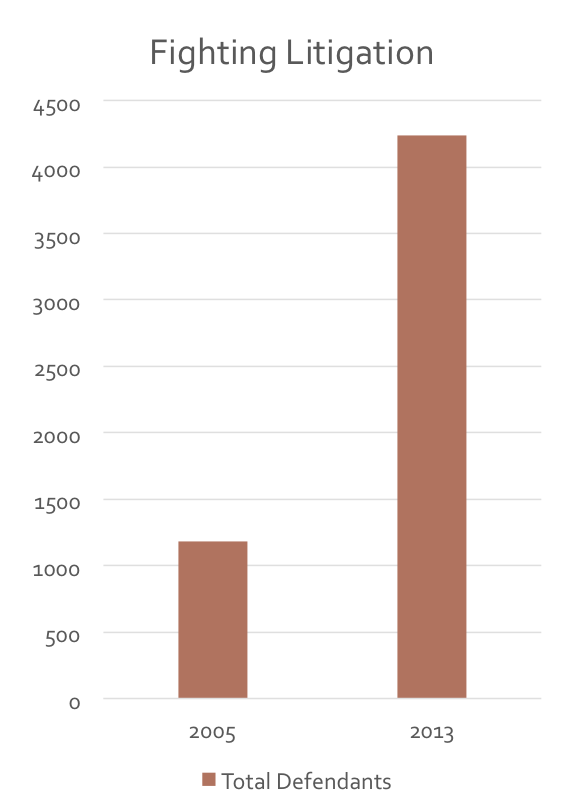
NPE litigation has exploded in recent years. In 2005, 1,181 companies were fighting NPE litigation. By 2013, that number had grown to 4,237. These companies come from a cross section of markets.
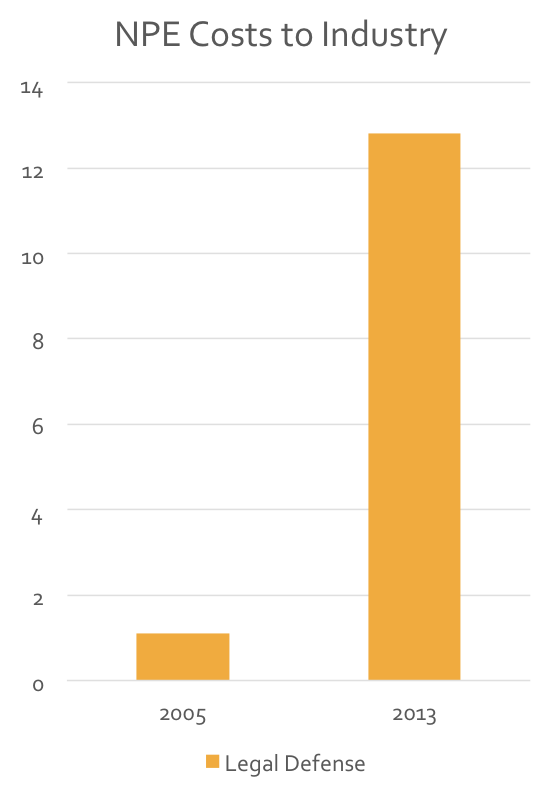
RPX estimates the total NPE costs in 2013 were nearly $13 billion, compared with only $1 billion in 2005. Just under half that amount went to legal expenses; the rest covered license or settlement payments.
Who's at risk?
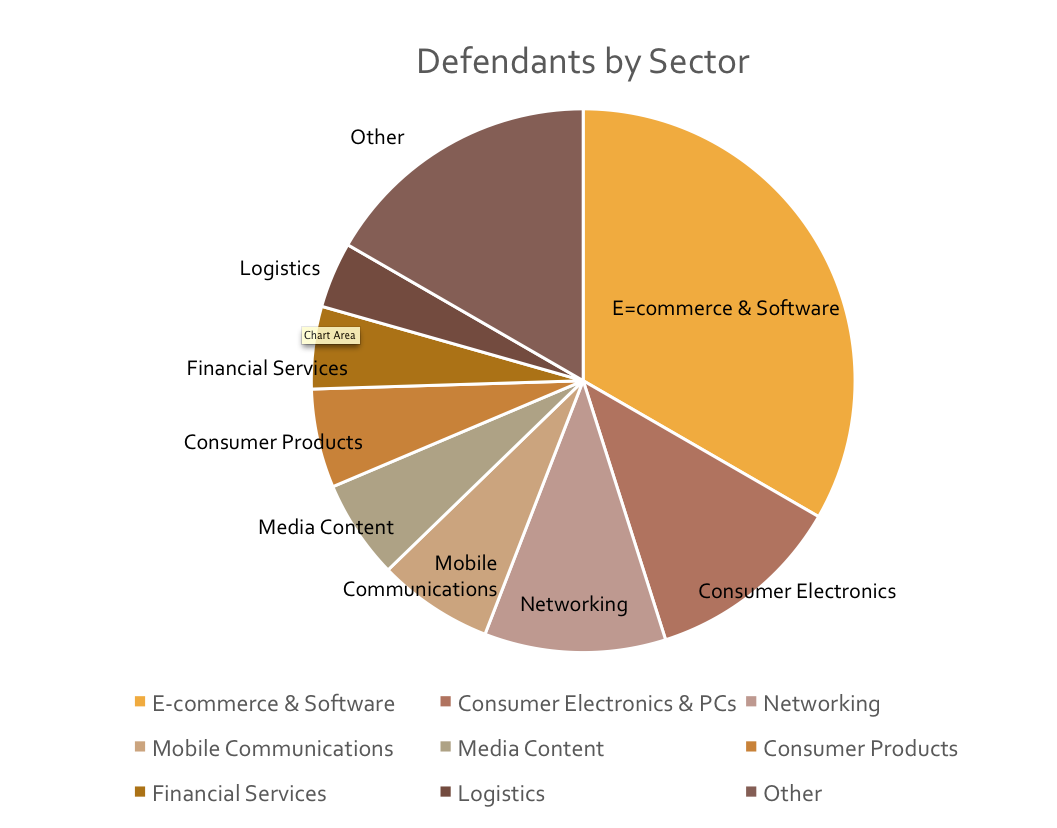
Any company providing a technology-based product or service is exposed to the growing NPE threat, with new markets and new companies at highest risk. Consumer electronics and PCs, mobile communications and devices, e-commerce and networking — companies making or using these technologies are targets for NPEs.
Other sectors are also perilous because expanding technologies escalate the likelihood of litigation — such as mobile banking applications, satellite-enabled entertainment, and GPS navigation systems.
More than 11,000 companies — from Fortune 500s to startups — have been accused of patent infringement at least once by NPEs over the last decade, according to PatentFreedom. Most of these businesses have annual revenues of less than $100 million, according to Entrepreneur.
What can companies do to protect themselves?
Businesses have four basic options in the fight against NPE litigation:
- Wait and hope for the best
- Hire outside counsel as needed to prepare a legal response if sued
- Buy the patents at issue to keep them out of NPE hands, or
- Purchase patent litigation insurance.
RPX and CRC offer independent agents and brokers an NPE patent infringement coverage liability policy that covers the costs associated with NPE lawsuits. RPX underwriters using a massive database of NPE litigation data translates to a high degree of accuracy in predicting a business's patent risk, turning NPE risk into a predictable budget line item.
Pricing is based on revenue size, scope of products, and perceived litigation within each product area. Limits of $1 million to $10 million are available, with annual minimum premiums of $25,000.
RPX reduces risk exposure by acquiring patents before NPEs can assert them against its network of 168 clients. The company has deployed more than $100 million annually to acquire patents in each of the past six years, leading to companies in the RPX network receiving more than 430 dismissals from over 60 litigations.
For more information on the coverage, contact Garrett Koehn at 415-675-2278.
© Arc, All Rights Reserved. Request academic re-use from www.copyright.com. All other uses, submit a request to TMSalesOperations@arc-network.com. For more information visit Asset & Logo Licensing.