In first-quarter 2013, there were just over 133 million housing units in America and 10.7% of them–more than 14.2 million–were vacant all year round, according to the U.S. Census Bureau.
A recent study by RealtyTrac found that 45% of those empty foreclosures didn't have a forwarding address. Florida leads the nation in vacant foreclosures, with 90,556. Illinois came in second with 31,668 empty distressed homes, followed by California with 28,821, and Ohio with 17,367 vacant properties.
Insurance vacant property can be a lucrative niche market for independent agents and brokers. We asked Diana Matalka, assistant vice president for American Modern Insurance Group's property products East region division, about the basics agents need to know about this coverage. Read her responses on the following pages.
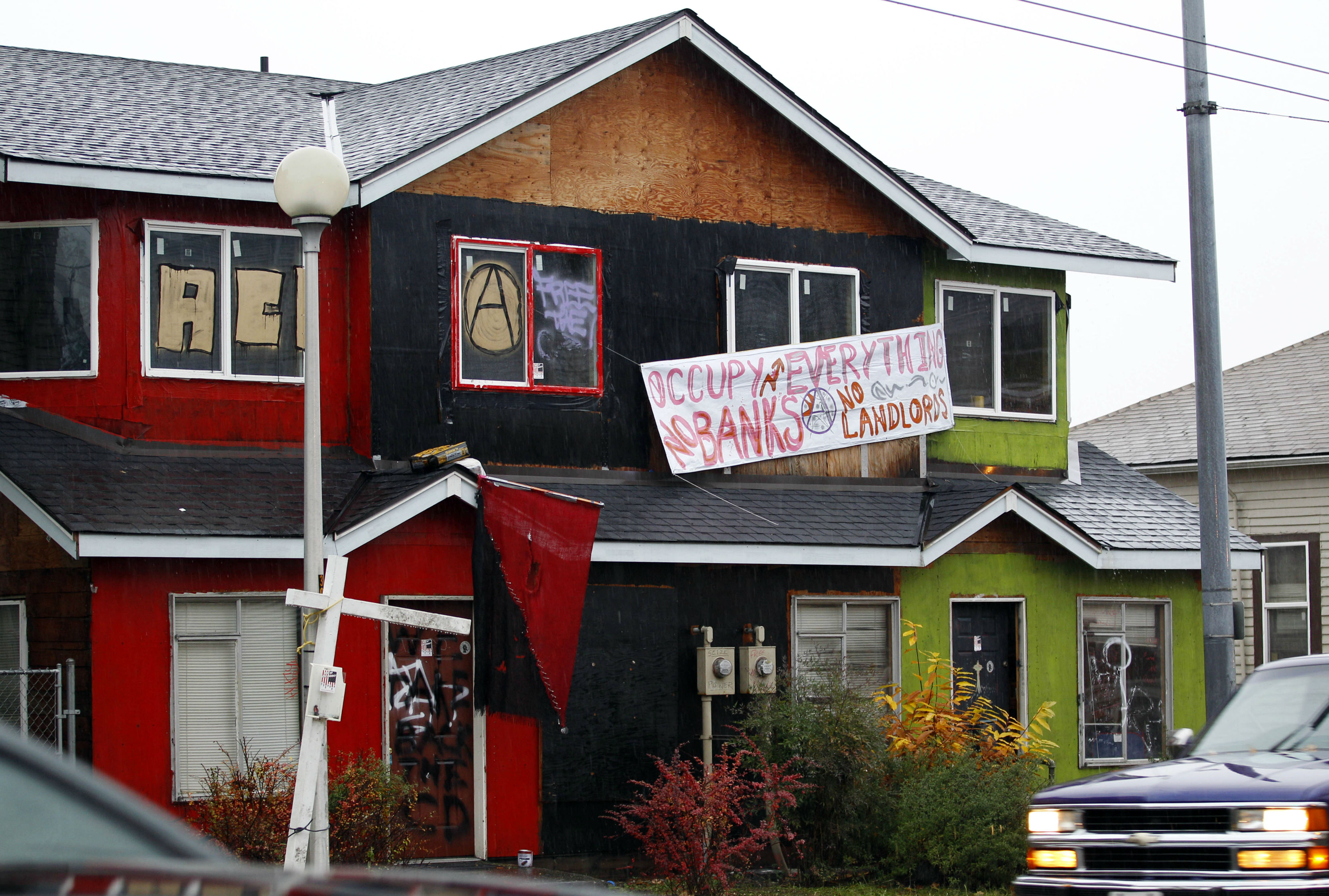
1. What types of risks are most common with vacant properties?
The most common risks with vacant properties are vandalism, theft and water damage. Top vandalism losses include: stolen air conditioner units, stolen cooper pipes and stolen wiring. Vandals and squatters can also break into vacant properties and cause several types of damage, such as water damage if the water has not been shut off or they may start a fire trying to keep warm in the winter.
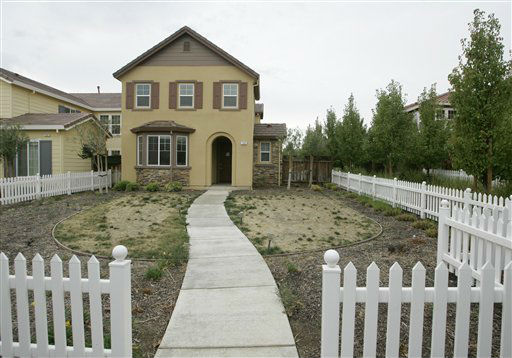
2. How has coverage and pricing been for vacant property over the last few years?
Pricing for vacant homes has been relatively flat over the last few years, with some areas of the country experiencing slight increases and others seeing slight decreases depending on the state, location and carrier experience in the state. Because more homes are becoming vacant in suburban areas all over the country, several surplus carriers entered the market with increased coverage options at very competitive prices. To meet these changes in the market, American Modern introduced a vacancy permission option to use with the dwelling fire programs which avoids cancel/rewrites when the home is occupied.
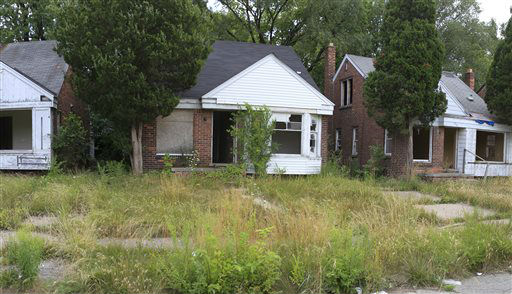
3. What should agents keep in mind when applying for vacant property coverage for their clients?
Historically, standard insurance companies shy away from vacant homes, so agents should first find a specialty insurance company that specializes in providing coverage for vacant homes and make sure they have a high rating. Then, the agent will need to make sure they understand the coverages and exclusions of that particular policy. Agents should be sure they know what type of claims will be covered, particularly with losses relating to stolen copper wiring or air conditioning units.
Another aspect to consider is whether their client is planning renovations to a vacant property. Agents should ask the policyholder if they are planning to do any renovations and if so, make sure they understand the extent of the renovations. From that information, agents can evaluate the client's need for builder's risk coverage for extensive renovations.
.jpg "4")
4. How can agents find more opportunities to write vacant property insurance?
I would suggest that agents network with property management companies, investment companies, real estate agents and lending institutions. If possible, agents can stop by their local real estate agents office or lending institution and let them know that they can help provide the insurance for vacant dwellings and see how they may be of service. Also, agents should make sure their website will show up in a web search for vacant home insurance and list vacant homes as a specialty on your website.

5. What recommendations would you make to agents to help prevent losses in vacant properties?
If the owner is not able to check the home weekly, agents should suggest that they hire a property manager to maintain the property. To prevent losses, agents should be sure that the windows are boarded up and that the dwelling is secured to prevent vandalism and squatters. To prevent frozen pipes and water damage, agents can either ensure the water is shut off and drained from the pipes or, alternatively, they can confirm that the heat is maintained in the building. Ultimately, agents should continue to maintain the property to let intruders know that someone is checking the property regularly and that the building has not been abandoned.
© Arc, All Rights Reserved. Request academic re-use from www.copyright.com. All other uses, submit a request to TMSalesOperations@arc-network.com. For more information visit Asset & Logo Licensing.