The environmental cleanup response to the Deepwater Horizon Oil Spill in the Gulf of Mexico is an unprecedented endeavor. It encompasses operations on land, along the vast shoreline and over open water–all of which present insurable exposures.
These operations included a mix of highly sophisticated and sometimes risky oil-water separations and controlled oil and gas burns, along with much manual labor. The cleanup effort also requires exceptional levels of coordination among federal, state, local and private entities.
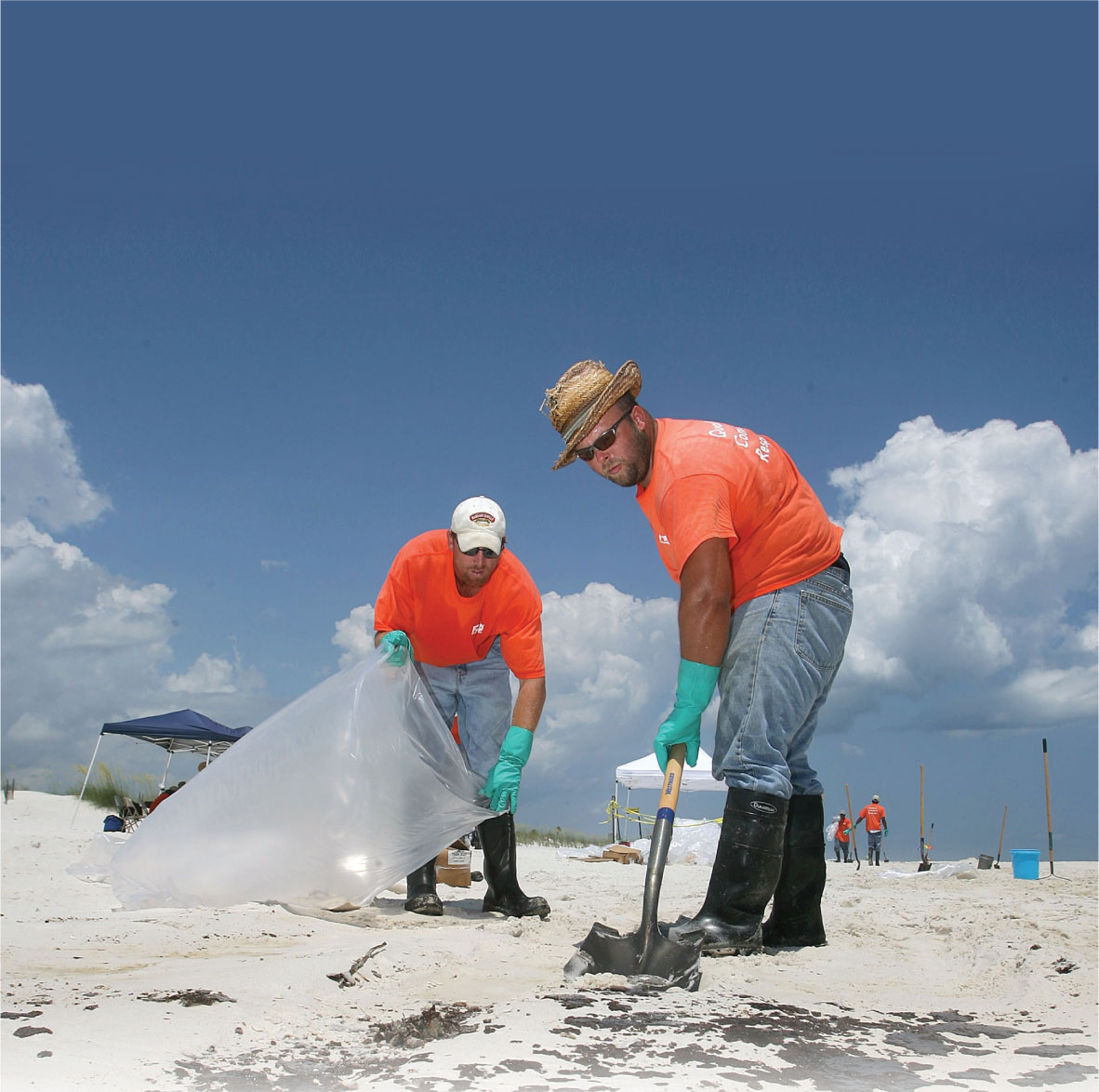 Watercrafts of all sizes are involved, as are thousands of individual workers–including many first-timers to environmental remediation.
Oil-skimming vessels, fishermen using their watercrafts to ferry supplies or lay out oil collection booms through at least 600 linear miles, earth-moving to set up new sea walls, rescuing and transplanting birds and sea life all takes an enormous amount of work–as well as risk.
Comprehensive cleanup efforts–even after the oil spill has apparently been brought under control–are likely to be measured not in months but years. Many of these entities will need new or expanded environmental, professional and other liability coverages, including the natural clients of local, independent agents.
While the damaged BP well might very well be secure at this point, it remains to be seen whether efforts to cap the well will do the trick long term.
And with many other deep-sea wells likely to be reactivated or new ones initiated to meet our future energy needs, this most recent catastrophic event teaches valuable lessons about what's involved in a cleanup of this scope and the exposures such efforts entail–as well as what types of insurance coverage might be required.
As always, agents will be concerned with an analysis of insurance needs, individual client insurability, and how best to access needed coverages in the marketplace.
Under this scenario, in broad terms, we find two distinct groups in need of ongoing and comprehensive environmental insurance.
The first group of responders includes well-established, larger-scale environmental contractors and consultants. They are entities with substantial credentials, expertise and experience in cleanups. These firms have a performance track record and are qualified for the tasks they have been assigned.
The second group includes those enrolled in BP's "vessels of opportunity" program and an "armada" of others, on land and on sea, who are newcomers to remediation.
We have seen response contractors "pop up" virtually overnight that might not have training and experience in organized environmental response but have the manpower and equipment to help get the job done.
Available workers for cleanup efforts include those temporarily out of a job due to suspensions in oil drilling and related commerce, those who can no longer fish, tour boat or oilrig operators, and construction firms.
Staffing agencies–both established and newly organized–have also entered the fray in providing workers for on-the-ground cleanup, such as bagging those familiar beached tar balls discussed in the nightly news.
In this new situation, many of the smaller entities–especially individual operators who have brought their fishing or tour boats into play–are working under the authority of a higher-tier environmental contractor.
These are practical situations, where major environmental companies will put a "manager" on board a subcontracted vessel to supervise activities "on the spot." As they have evolved, these relationships establish clear lines of authority and liability, which helps with underwriting these new risks.
Still, there are key risk management and insurance questions that need to be addressed.
o What coverages will be required to insure such large-scale cleanup efforts?
Established environmental remediation firms, contractors and consultants likely already have in place high-limit contractor's pollution liability insurance and/or professional consultant liability coverages. These coverages protect them in the event that their actions should exacerbate existing pollution or create new pollution.
Recently, we have also seen these firms being required to take out project-specific coverages, above and in addition to existing insurance policies.
Certainly, agents should review the existing coverage portfolio for these clients. However, even given the scale of the Horizon Deepwater incident, for most of these entities, the insurance profile is "more of the same," rather than something new and different.
In contrast, most if not all the new players brought into remediation will need to secure new insurance coverages before they can go into action.
These coverages are necessary to satisfy the hiring requirements of the larger environmental contractors, in addition to applicable state or federal regulations.
These coverages can include:
- Commercial general liability
- Contractor's pollution liability (when in project manager roles)
- Professional liability
- Transportation pollution liability (as when hauling waste)
- Enhanced workers' compensation
(In this article, we are not considering more complex situations that would invoke special maritime coverages such as U.S. longshoremen or harbor worker insurance, which most carriers don't provide.)
Clearly, even a small entity taking on an environmental remediation job–or any of the related earth-moving assignments that have potential environmental consequences–can be facing a significant insurance cost to enter this business. As always, cost complements availability in the insurance acquisition equation.
o What has been the insurance industry's response in this crisis?
What we are witnessing as this situation unfolds is that environmental underwriters have sufficient capacity and willingness to meet the coverage needs of established environmental contractors and consultants.
However, these traditional environmental lines carriers have shown far less appetite for the newer, second-tier entities described in this article.
Still, there is capacity in the marketplace, and specialist underwriters are stepping up to the plate to meet this new source of demand.
Short courses being offered by BP and related companies with primary responsibility for the disaster are helping with risk analysis, and the majority of policies are being written on a conventional annual renewal basis.
While this is a situation unlike any other before, given the population and active commerce along the affected shorelines, we do not expect demand for new coverages to exceed industry capacity.
Rather, this unfortunate event is demonstrating the responsiveness and creativity of our industry marketplace, as those displaced from existing livelihoods transition to new ones.
Already, major global oil companies operating in the Gulf of Mexico have announced plans to establish a permanent, pooled oil spill response capacity.
Many new environmental contracting entities will undoubtedly remain in this field. As communities and our environment heal, independent agents have an important role in helping these environmental responders achieve needed coverages and succeed in their new lines of business.
Joshua Bowen is vice president of the Environmental Insurance Division at Century Surety Company, a subsidiary of Meadowbrook Insurance Group Inc., headquartered in Southfield, Mich. He can be reached at 614-823-6242 or at jbowen@centurysurety.com.
© Arc, All Rights Reserved. Request academic re-use from www.copyright.com. All other uses, submit a request to TMSalesOperations@arc-network.com. For more information visit Asset & Logo Licensing.