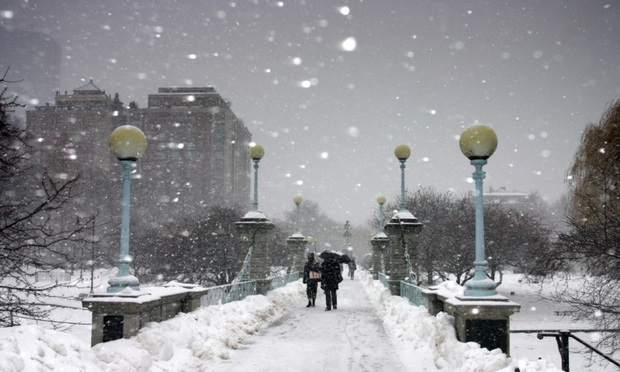
 Boston-snow-storm
Across the country, winter introduces a unique set of safety challenges for business owners.
In regions like California, rain drives the bulk of seasonal claims, while in other areas such as the Northeast, heavy snowstorms can cause massive issues for business owners. Whether its rain or snow, increased vehicle and customer traffic from the holidays combined with wet surfaces can create a challenging environment for commercial property owners to navigate.
Slips and falls continue to serve as one of the most frequent and expensive claims in the winter. While these accidents may seem easily avoidable, they often result in serious injuries, litigation and losses that can exceed the cost of mitigation. Heavy snow fall can also damage company equipment and property and create a dangerous environment for customers and staff members to navigate. For agents and brokers, proactively educating insureds on winter preparedness and staff training is essential to protect their businesses.
Understanding common winter hazards
Snow: Snowfall is a leading cause of winter claims. A strong snowstorm can lead to snow loads that can damage building structures, including the roof, and block access to critical systems such as vents or control valves.
Snow load losses can prove extremely costly. Businesses owners with existing roof damage may opt to defer maintenance to save on immediate costs. Snow buildup on a roof can lead to structural damage and even a full collapse. A roof is not only expensive to replace but can also lead to extended business shutdowns.
In addition, removing these snow loads can introduce a host of its own risks to employee safety. Workers may trip on icy roof surfaces or not see obstructions on the roof that are covered by snow, such as any wiring or vents. They also may not be adequately trained to perform the snow removal.
Rain: Rain is responsible for a surprising number of costly winter accidents. Data from the U.S. Department of Transportation Federal Highway Administration found that over 77% of weather-related auto crashes happened during rain or mist conditions from 2019-2023. Commercial businesses need to prepare their staff for the potential driving risks associated with rainy or wet road conditions.
Water entering the facility can also cause problems. When customers enter a building with wet shoes, umbrellas or clothing, moisture can collect and form puddles. Without mats or cleaning protocols, a small puddle can become a dangerous slip hazard.
Rain exposures also extend outdoors. Parking lots, sidewalks and gas station pump areas become more dangerous in the rain as well. Potholes, which are common in drier states, pose a slip and fall hazard when filled with rainwater. We received a claim recently where an older woman stepped into a water-filled pothole that was blended into the pavement. She caught her foot on the pothole and fell forward, hitting her head on a pillar. The impact led to extensive stiches across her forehead. This incident could have been prevented through maintenance and pothole repair.
Crowds: Another common claims driver in the winter is increased foot traffic. Holiday shopping, seasonal events and end-of-year business surges push more people in and out of commercial buildings. More customer traffic often leads to greater risk exposure as well. We often see more slips and falls as customers navigate large crowds and see more car accidents as lots and roads are busy and often overflowing.
Wet congested roads, which make it more difficult for company drivers to operate safely, can increase risk exposure. Seasonal employees, who may be less familiar with driver safety rules and guidelines, may drive too fast and slide on an icy road. A winter weather car accident can lead to several layers of challenges, including injury to company drivers and bystanders, damage to company inventory that was being transported, as well as damaged company vehicles.
Helping insureds understand the potential impact of winter weather can protect customers and staff members. Proactively building out a risk mitigation plan can make a positive impact on building company safety.
Winter weather safety practices
Agents and brokers can work with clients to develop a safety plan and implement measures that reduce hazards across their operation. Best practices should include:
Use water absorbing mats: Water absorbing mats can reduce moisture significantly and reduce the chance of a slip and fall incident. Mats should be checked regularly throughout the day by staff members.
Emphasize proactive maintenance: Business owners should prioritize immediate fixes to dangerous hazards ahead of potential storms. This could include addressing any existing roof damages as soon as possible, pothole repairs, fixing uneven surfaces and broken tiles and installing better lighting in dark walkways. These issues become more dangerous during a storm and proactive mitigation can lessen risk significantly.
Clean ice and snow quickly: Leaving icy and snowy surfaces unchecked can lead to fast accumulation and larger risks to customer and employee safety. Employees should be trained to quickly clean snow and ice before it accumulates.
Educate drivers: Provide comprehensive driver training at hire and in the immediate aftermath of any incidents so drivers know how to navigate icy or slick road conditions.
Provide umbrella bag dispensers: When customers shake out their umbrellas, they often spread water across the floors. Umbrella bags can help contain moisture and reduce puddles.
Prepare for crowds: Train staff members so they understand how to handle large crowds and direct traffic. This will help minimize the impacts of congestion at a business.
Enforce regular floor inspections: Train employees to monitor entryways, aisles and bathrooms frequently, especially during an active storm.
Use clear, visible wet floor signage: Wet floor signs should be placed at the first sign of moisture, not after a complaint or incident. This will help prepare customers and employees for potential slips and falls.
Keep managers actively involved: Safety protocols are only effective when management enforces it. Owners who take safety seriously and visit their sites regularly and directly supervise and work with employees on best practices may see fewer claims and quicker compliance.
These steps can help reduce injuries and improve a company’s overall risk profile, helping to limit insurance costs as well.
We would also recommend that agents and brokers work with their clients to develop training protocols. Employees are usually the first to notice heavy snow areas, puddles, clogged drains and other hazards and should know how to respond. We recommend conducting training at least every three months so safety is top of mind and seasonal hires area aware of company safety policies. This training should provide an overview of best practices, ranging from how to recognize snow overload, potential slips and fall risks, how to report maintenance problems and how to manage greater customer traffic, particularly during a storm.

Agents and brokers should also speak with clients before the winter to review their insurance coverage. Schedule a meeting to review coverage limits and how rain, snow and other winter risks may increase the likelihood of a loss during colder, wetter months.
Winter weather is often unpredictable, but agents and brokers can help their clients operate safely by recommending risk mitigation. Through strong preparation, comprehensive employee training and reviewing insurance coverage, agents and brokers can support their insureds as they navigate the winter season with confidence.
Viviana Zepeda is a commercial lines executive manager with All Solutions Insurance Services. She can be reached at viviana@allsolins.com.
Opinions shared in this piece are the author's own.
© Arc, All Rights Reserved. Request academic re-use from www.copyright.com. All other uses, submit a request to TMSalesOperations@arc-network.com. For more information visit Asset & Logo Licensing.