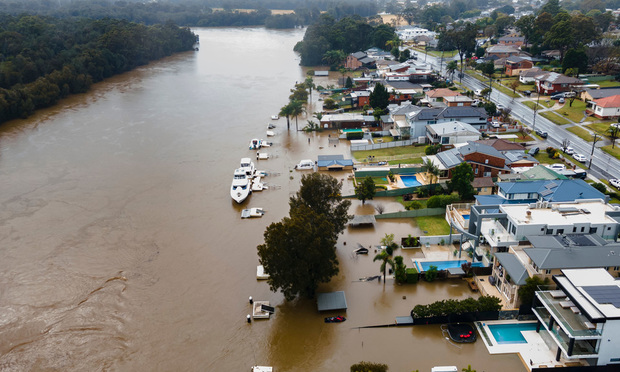
 More than five million Americans have flood insurance through the NFIP. (Credit: Steve/Adobe Stock)
Congress let the National Flood Insurance Program lapse last week, leaving millions of homeowners in limbo. That begs the question: why is this allowed to happen?
The NFIP currently depends on short-term authorizations. The program has had 33 short-term authorizations since 2017.
Unfortunately, political in-fighting sometimes gets in the way of the reauthorization process. The NFIP has lapsed multiple times in the last several years: four times in 2010 and 2011, once in 2018 and once in 2024.
Lapses have big consequences. Flood insurance policies can’t be issued or renewed during a lapse. Home sales in areas that require flood insurance are stalled or canceled. The program’s borrowing authority is significantly reduced, which can make claims payments uncertain in the event of a disaster.
This latest lapse has already lasted a week. According to the National Association of Realtors, the halt affects about 1,300 property sales per day, or a little over 40,000 transactions monthly. It’s also falling in the middle of hurricane season, when the Southeast is most prone to flooding disasters. If NFIP is unable to borrow enough money to pay claims while it’s in lapse, policyholders impacted by flooding will have to rely on disaster aid alone.
Flooding is the most common and costly natural disaster in the United States, affecting all 50 states and leading to billions in losses annually. Roughly 90% of president-declared disasters involve floods.
The NFIP covers more than 5 million policyholders in the United States, providing relatively affordable coverage for those who live in flood-prone areas. The program also requires communities where NFIP policies are in place to take steps to mitigate flood risk.
The program itself tends to have bipartisan support, but it’s often used as a bargaining chip, or forgotten altogether, when politicians are at odds about other issues. There has also been a push for reforms to the program, in order to improve risk assessment, affordability and other factors.
A bill introduced in the House in April seeks to grant long-term authorization to the NFIP through Dec. 31, 2026, while Congress simultaneously works toward reform of the program.
“For too long, homeowners, small businesses and local economies have lived under the cloud of short-term NFIP extensions, often attached to contentious government funding bills,” said Rep. Troy Carter of Louisiana, one of the bill’s sponsors, in a statement. “This clean, multi-year reauthorization brings much-needed certainty to policyholders and ensures uninterrupted access to flood insurance across the country. As flooding becomes more frequent and severe, we must protect families and businesses by keeping this program operating while we work to deliver lasting, comprehensive reforms to strengthen and modernize the program."
The effort, or something like it, seems necessary to prevent lapses that, at best, cause unnecessary chaos for real estate transactions and, at worst, have the potential to leave disaster victims without the help they need.
Opinions shared in this piece are the author's own.
© Arc, All Rights Reserved. Request academic re-use from www.copyright.com. All other uses, submit a request to TMSalesOperations@arc-network.com. For more information visit Asset & Logo Licensing.