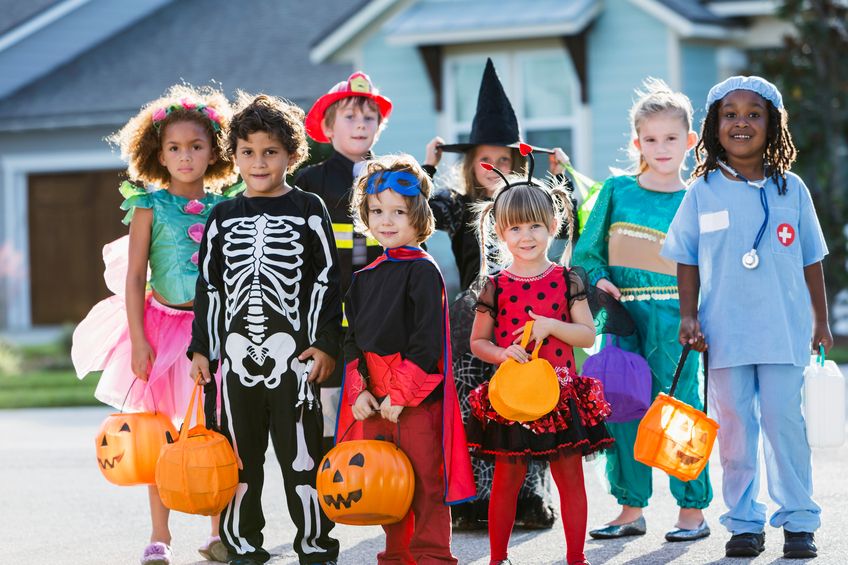
 Keeping your walkway clear of obstacles is only the first step to a fun and safe Halloween. (Photo: iStock)
According to the National Retail Foundation (NRF), more than 171 million Americans will celebrate Halloween this year.
The NRF's study also found that 71 percent of Americans plan to hand out candy, and nearly half will decorate their homes.
But in getting into the Halloween spirit, many homeowners overlook related liability risks.
From trick-or-treaters falling on your property to potential jack-o'-lantern fires, there are simple steps homeowners can take to avoid a liability nightmare this Halloween.
Keep your home spooky, but safe
Whether transforming your home into a haunted house or simply hanging a few lights, liability risks are omnipresent. Regardless of the extent to which you will be decorating, taking precautionary measures when first setting up decorations is the best way to reduce your exposure.
Rather than simply tossing aside installation information when putting up lights, for instance, start by reviewing the manufacturer's instructions to answer top-of-mind questions, such as:
- Is it safe to use an extension cord?
- What type of outlet is best to use?
Asking these types of questions in advance is critical to staying one step ahead of an electrical mishap.
While the NRF anticipates that the average consumer will spend $82.93 on decorations, candy and costumes this Halloween, many homeowners will also choose to reuse decorations. But before hanging tried-and-true favorites, take the time to properly inspect each piece to make sure there are no loose wires or connections.
If inflating larger-than-life displays — perhaps a giant pumpkin — it's important to ensure that these decorations are properly secured and bolted to the ground. Most decorations will include fastening equipment with your purchase, but if you live in a particularly windy climate, consider securing with additional material. If a neighbor's property is subsequently damaged because your decorations become unhitched or blow away, you could be held liable for related costs.
Beware of little ghosts and goblins
It's anticipated that more than 41 million ghouls, goblins and princesses will trick-or-treat this Halloween. This means that in local neighborhoods, hundreds of kids will likely be walking in the street during nighttime hours.
Always err on the side of caution, and avoid driving while trick-or-treaters are out. If you'll be home and trick-or-treaters will be visiting your door, keep your car out of the driveway or in the garage. In addition to clearing a path, keeping cars out of direct sight reduces your risk of egging-related damage, a favorite Halloween trick for adolescent trick-or-treaters.
But keeping your walkway clear of obstacles is only the first step to a fun and safe Halloween. It's equally as important for these walkways to be well-lit. Rather than lighting wax candles, however, avoid an accidental fire by using LEDs. These lights emit the same ghostly ambience but are a dramatically safer choice. For additional visibility, consider turning on any exterior driveway or walkway lights.
If you have pets, be sure to keep them away from visiting trick-or-treaters. An abundance of small children dressed in costumes can scare pets, even the friendliest ones. Keeping them in their crates or in the bedroom will help avoid accidental bites or scratches, a significant liability risk for homeowners.
For trick-or-treaters, Halloween is all about the sugar rush. When handing out candy, ensure that everything is individually wrapped or sealed. If your child returns from trick-or-treating with unwrapped candy, throw it out immediately.
Limit teenage temptation
While it can be tempting to focus primarily on younger children during Halloween, teenagers can easily be convinced to participate in Halloween mischief. If your teenager's mischievous actions, such as egging or teepeeing (toilet-papering), result in damage to a neighbor's property, you could be on the hook for related costs. As a result, consider shadowing their activities from a distance. This will provide teenagers with the independence they want, while ensuring their actions don't come back to haunt you.
Regardless of your trick-or-treater's age, if you'll be headed out on chaperoning duty this Halloween, it's important to make sure your home appears occupied. Although it can be tempting to turn off the lights so that other trick-or-treaters know to skip your home, leaving your house dark can invite trouble. Instead, consider keeping your front porch or driveway lights on and turn on a handful of indoor lights.
Create Halloween memories
Halloween is a time for ghosts and frights. But don't let it become a real-life nightmare. Talk with your family about safe Halloween activities — from decorating to trick-or-treating — to ensure a spooktacular evening.
Janece White is senior vice president, Chubb Personal Risk Services. She can be reached at janecewhite@chubb.com. Opinions expressed in this article are the author's own.
© Arc, All Rights Reserved. Request academic re-use from www.copyright.com. All other uses, submit a request to TMSalesOperations@arc-network.com. For more information visit Asset & Logo Licensing.