The fire that killed as many as 10 passengers and stranded hundreds on board an Italian ferry off the coast of Greece Sunday is only one of hundreds of ferry disasters that have occurred over the past 15 years.
In fact, such sinkings are almost common. Bad weather, inexperienced crews and poor maintenance have been to blame in similar catatrophes that have killed thousands worldwide since the turn of the 21st century.
Here are some of the worst ferry accidents since the millennium.
2002 – Gambia, Senegal 
Casualties: 1,800
Considered "The Titanic of Africa," and one of the most devastating Ferry accidents of the past 15 years, the MV Le Joola had just set sail off the coast of Senegal's southern tip en route to the country's capital, Dakar, when it capsized on Sept. 26, 2002.
Officials have said the sinking was due to poor weather conditions. However, the vessel was carrying 2,000 passengers, almost three times the licensed limit, according to official statements.
Only 64 survived the wreck.
2003 – Chandpur, Bangladesh 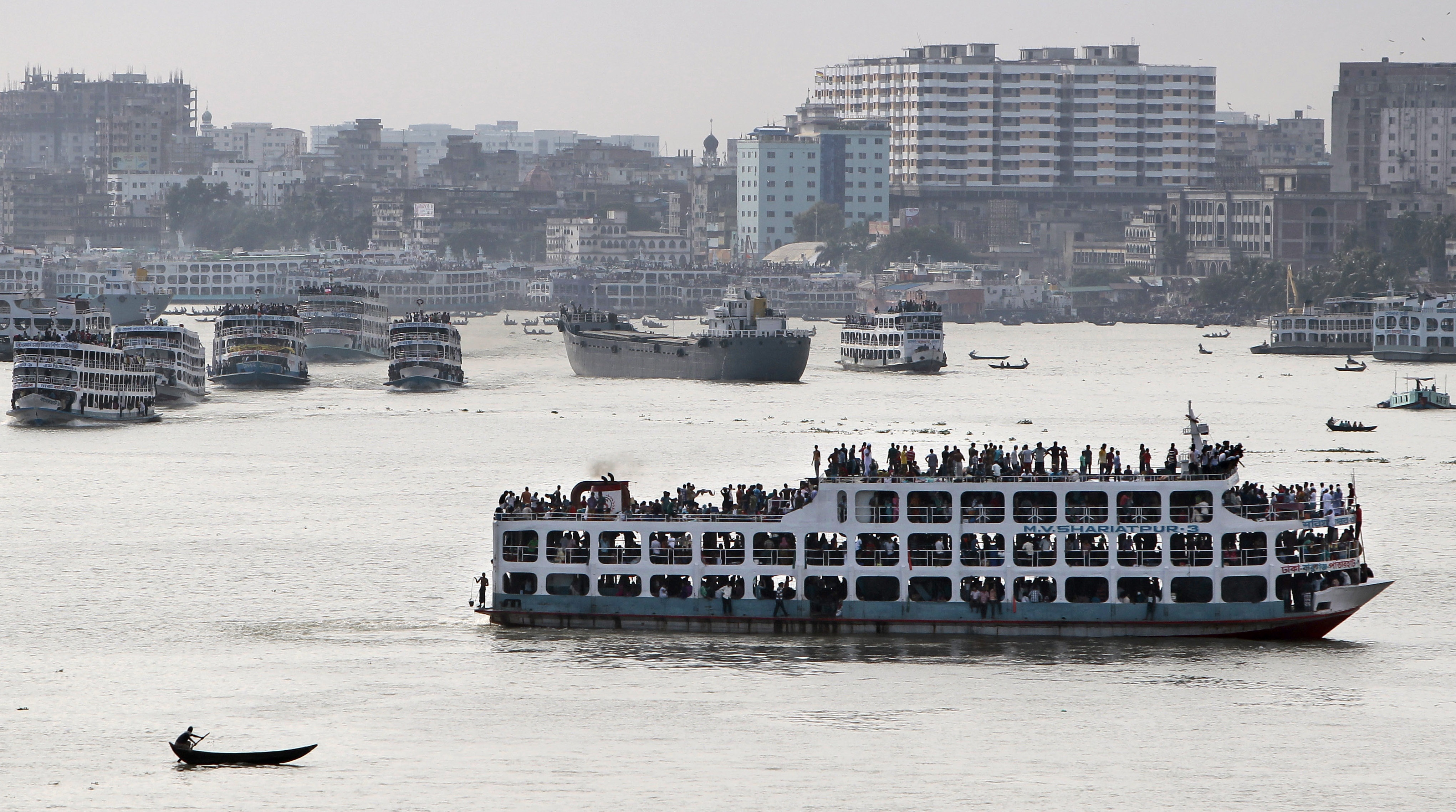
Casualties: 400
Late on July 8, 2003, turbulent waters on the Meghna River, the main artery for ferries near the country's capital, Dhaka, sunk the MV Nazreen-1 with 500 passengers and crew on board.
The 100 or so passengers that survived were forced to swim to shore.
The Meghna is well known for its rough waters – just days before in the same area, another ship had sunk.
2006 – Hurghada, Egypt 
Casualties: 1,160
In the middle of the night on Feb. 2, 2006, the Al Salam Boccaccio 98 hit high tides and extremely rough seas, capsizing the ship with over 1,400 passengers and crew on board.
Only 340 survived the incident, which occured 57 miles off the coast of Hurghada.
There was speculation that the ship had collided with another ferry, but Egyptian officials have said there is no evidence to support that theory.
2006 – Mandalika Island, Indonesia 
Casualties: At least 400
There are over 18,000 islands within Indonesia, and the primary method of travel for locals and tourists is by ferry. However, many of these ships are overcapacity and in poor condition.
On Dec. 30, 2006, a ferry carrying at least 600 passengers hit rough waters and capsized 25 miles off the coast of Mandalika Island. Initial reports said that the ship had 800 passengers, but officials later found a manifest that said there were over 600 aboard.
It's not known how many actually died on the ferry, but official the body counts say it was at least 400 dead.
2008 – Ramblon, Philippines 
Casualties: 800
On June 20, 2008, Typhoon Frank tore through the Philippines and decimated many coastal cities and towns.
The MV Princess of the Stars left Manila the same day because officials thought the ship was large enough to stay afloat during the storm. The ferry eventually hit rough seas the next day, however, and turned over.
Only 48 of the 872 aboard the ship survived.
2009 – Jakarta, Indonesia 
Casualties: 230
Early in the morning on Jan. 10, 2009, the MV Teratai Prima was pummeled by 19-foot waves created by Cyclone Charlotte and began taking on water.
The official manifest said that 267 passengers and crew were on board, but there was speculation that the number was closer to 300 when the ship sunk off the Western coast of Sulawesi, a nearby island.
The captain of the ship was immediately investigated for allegedly ignoring weather warnings.
2011 – Zanzibar, Tanzania 
Casualties: 200-1,500
The number of casualties involved in the sinking of the MV Spice Islander has jumped dramatically in the past three years. Initially, reports said that 200 people had died and that the ship was only carrying 800 people.
However, in October 2011, almost one month after the incident off the coast of Zanzibar, the Tanzanian government said that the ship was carrying closer to 3,500 passengers, and that there were more likely 1,500 dead.
Eight months after the MV Spice Islander sank, another ferry, the MV Skagit, sunk in the same area and killed approximately 150 passengers.
2014 – Byeongpungdo, South Korea 
Casulaties: 300
The MV Sewol, which was carrying 460 passengers and crew, unexpectedly sank on April 16, 2014, when the captain of the ship, Lee Joon-seok, ordered a sharp turn that unbalanced the ferry and forced it to capsize.
The death toll, which included a number of school children and their teachers, sparked outrage across the country including demands that Joon-seok, who had fled the ship while it was sinking, be charged in the death of the passengers.
In November, Joon-seok was charged with gross negligence and sentenced to 36 years in prison in the incident.
© Arc, All Rights Reserved. Request academic re-use from www.copyright.com. All other uses, submit a request to TMSalesOperations@arc-network.com. For more information visit Asset & Logo Licensing.