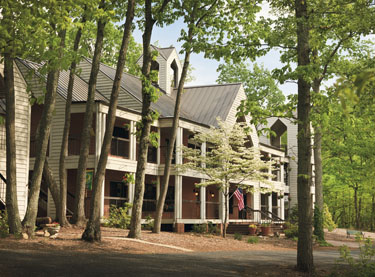
 Dave Lanford and his wife Heidi have run the Iris Inn of Waynesboro, Va., for five years, and in that time they have succeeded in creating a bed & breakfast haven that is eco-friendly—a distinction insurers say is driving business to some inns over others.
Being a green or eco-friendly B&B is "becoming something of a point of differential" for some inns, says Peter Sherman, founder and partner of The B&B Team, a Virginia-based consultancy.
"It comes down to: 'Do they use healthy products? Do they use organic or locally sourced foods? Are they recycling?'" says Sherman. Guests also want to know if B&Bs are using sheets, mattresses and other amenities made of eco-friendly materials.
The B&Bs can't always charge more for such eco-friendly touches, but more often than not they'll be chosen over inns that do not promote an eco-friendly lifestyle, Sherman says. "That is a big trend."
Innkeepers are also serving, or even growing, their own organic fruits and vegetables. "We've insured a couple of B&Bs that have a garden and a chicken coop out back and serve eggs grown on the property," says Brent Skiles, assistant vice president of underwriting for Philadelphia Insurance Cos. in Bala Cynwyd, Pa.
In cases in which the business is growing its own food, it may need additional liability insurance due to the possibility of food-related illnesses.
If a B&B is using renewable energies on site such as wind or solar power, it will need insurance to cover those increased exposures as well, adds Skiles. Wind turbines utilize three large blades, which can come loose and cause major injury, and the turbines themselves can catch fire. Wind turbines are also an attractive target for thieves seeking copper wiring and are susceptible to lawsuits over noise pollution.
Solar-energy liability exposures are far less hazardous and may involve badly installed solar panels that could allow a wind or rain breach through the roof.
Some B&Bs are going as far as seeking LEED certification, meaning their business complies with green-building standards set by the Leadership in Energy and Environmental Design program, which rates buildings based on how sustainable they are to build and operate.
Sherman cautions innkeepers not to be overzealous when replacing standard guest offerings with eco-friendlier substitutes: B&B guests do expect a certain amount of luxury.
He advises innkeepers against giving guests "green" toilet tissue that is hard or rough, or a low-flow showerhead that just spritzes water. "Those aren't exactly luxury experiences," says Sherman. "Hot water and paper amenities are really important and are things that should be better than they've got at home."
© Arc, All Rights Reserved. Request academic re-use from www.copyright.com. All other uses, submit a request to TMSalesOperations@arc-network.com. For more information visit Asset & Logo Licensing.