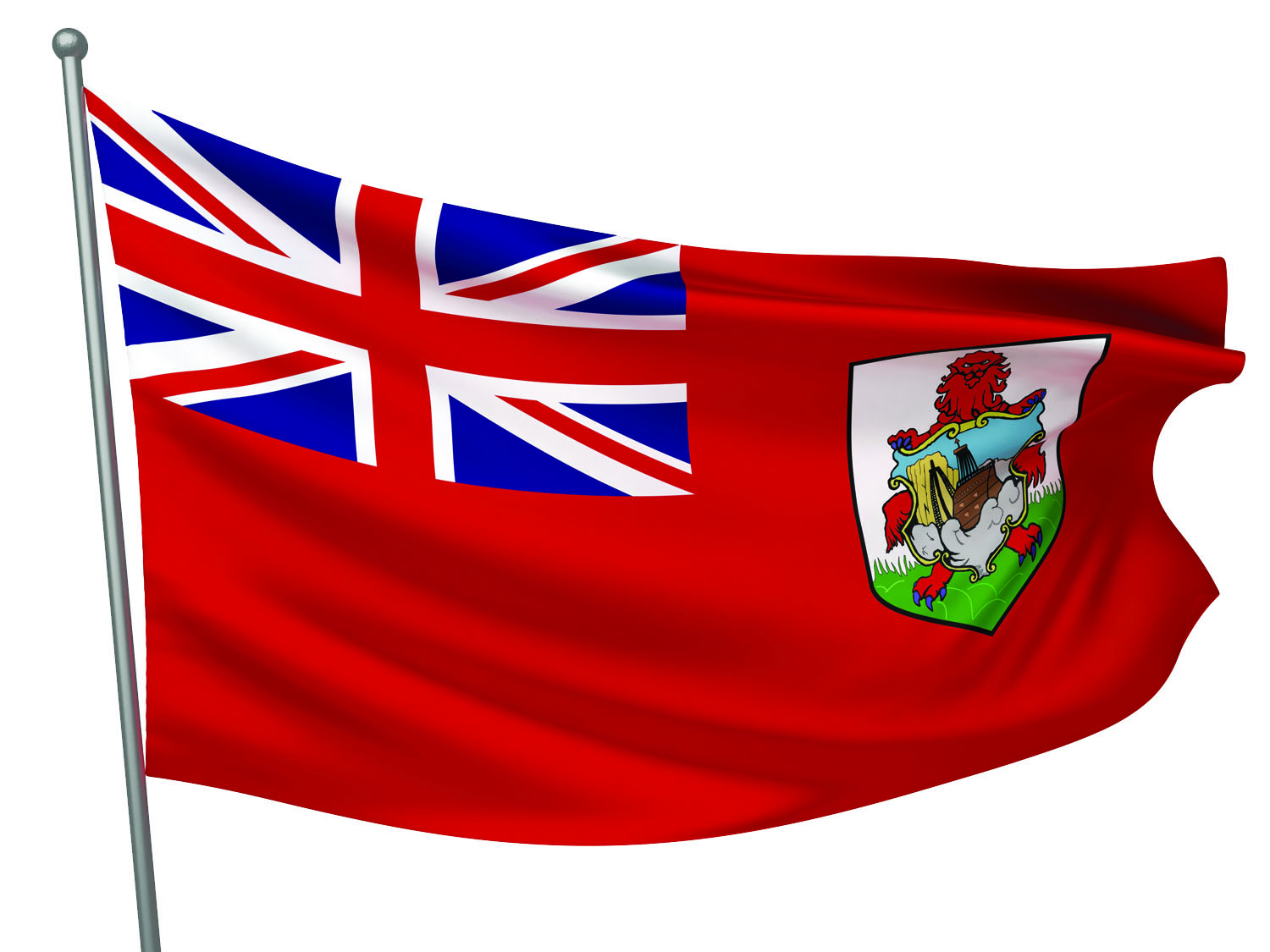
 The string of catastrophes in the first half of 2011 that wrought so much destruction and caused so many insurer losses also spurred the possibly record-setting formation of special-purpose insurers (SPIs) in Bermuda with 17 formed so far this year.
The majority of those formations have been created for issuing cat bonds, the Bermuda Monetary Authority (BMA) tells NU.
SPIs are fully funded insurance entities normally formed for a single transaction; they enable insurers to raise capital by transferring risk for major natural perils like hurricanes or earthquakes via capital market vehicles, typically by issuing cat bonds to third parties.
The Bermuda Stock Exchange (BSX) in September announced that the value of insurance-linked securities (ILS) it lists has doubled in the past year, surpassing the $2 billion mark for the first time. The Exchange has been striving to attract such ILS deals since the BMA in 2009 created the new SPI class of insurer and regulations conducive to the formation of such entities in Bermuda.
The Embarcadero catastrophe bond in July took the number of listed securities on the BSX to that 17 figure and the listed value to $2.1 billion. The $150 million Embarcadero cat bond was approved by the California Earthquake Authority through an SPI in Bermuda, Embarcadero Reinsurance Ltd.
The formation of sidecars is another example of the type of financial forward-thinking that is characteristic of Bermuda, "which has always been on the forefront of creative products," says Frederick J. Kohm Jr., a partner in the Economic Advisory Services division at advisory-service Grant Thornton LLP in Philadelphia.
(Sidecars are a type of special-purpose vehicle that became popular as a solution in 2005 after the roar of Hurricanes Katrina, Rita and Wilma caused a reinsurance capacity shortfall.)
Early this year, Lancashire Group, Validus and Alterra announced sidecars formed primarily for property catastrophe and retrocession business.
"The funds that have flown in are relatively modest compared to other periods following catastrophes," notes Robert DeRose, vice president of A.M. Best Co. For example, the 20 sidecars formed in the wake of the hurricanes named above, according to A.M. Best, represented $4.5 billion of capacity.
While sidecars help address short-term capacity gaps, in the long term they "tend to do the market a little disservice, because it means the prices are never correct," says Julia Mather, head of advisory-service Miller Bermuda. "You have all this extra capacity, so even if people do leave the market, the extra capacity comes straight in, and so there's not the correction you would have expected."
Another development of late has been the emergence of hedge funds coming into the space, trying to form reinsurers.
© Arc, All Rights Reserved. Request academic re-use from www.copyright.com. All other uses, submit a request to TMSalesOperations@arc-network.com. For more information visit Asset & Logo Licensing.